Monopolistic states are the four states, North Dakota, Ohio, Washington, and Wyoming, where employers must buy workers compensation coverage from the state fund, with no private carrier option. A monopolistic state fund is state created, state owned, and state operated, and it writes all workers compensation insurance for that state.
You run into the term the moment a client hires an employee in one of the four states, because the standard multistate placement you would normally make simply is not available there.
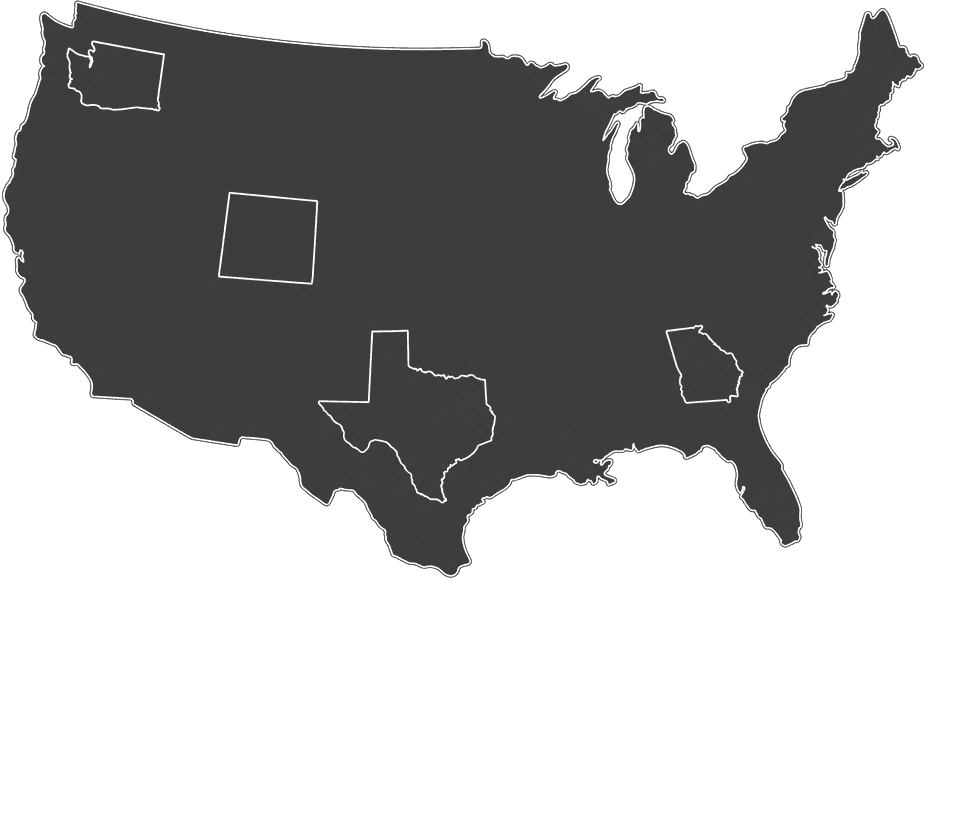
Monopolistic States
States in which workers compensation insurance may be purchased only from a state operated fund: North Dakota, Ohio, Washington, and Wyoming. Private carriers cannot write workers compensation coverage in these states.
How do monopolistic states affect a workers comp policy?
The Information Page of a standard workers compensation policy cannot list a monopolistic state in Item 3.A., and the Other States insurance in Item 3.C. excludes them too. Common 3.C. wording reads "all states except the monopolistic states and those listed in Item 3.A."
So an Oklahoma contractor whose crew picks up unexpected work in Missouri has Other States coverage, but the same crew working in Wyoming has none. Coverage there must come from the Wyoming fund, enrolled before work begins.
This is the operational trap: state funds do not backdate, and the auditor who finds unreported Ohio payroll on a private carrier policy will remove it from that policy without the Ohio fund picking it up retroactively. Brokers should ask about employee home states and travel patterns at every renewal, not just at placement.
What is stop gap coverage and why do you need it?
Monopolistic state funds pay statutory workers compensation benefits but do not include employers liability coverage, the Part Two protection a standard policy provides for employee injury suits that fall outside the no fault bargain. Suits alleging the employer's own negligence, third party over actions, and consortium claims from an injured worker's spouse all land in that gap.
Stop gap coverage fills it, typically added by endorsement to the employer's commercial general liability policy for the monopolistic state exposures. Ohio's fund, as one example, leaves employers liability entirely to the private market.
A multistate insured with any payroll in the four states should show stop gap employers liability on the CGL, with limits matching the employers liability limits carried elsewhere in the program. Miss it and the account has a bare spot no certificate reviewer will catch, because certificates rarely show what is absent.
Frequently asked questions
Which states are monopolistic for workers compensation?
North Dakota, Ohio, Washington, and Wyoming. Employers with workers in these states must buy coverage from the state fund. Every other state allows private carriers, though many also operate competitive state funds alongside them.
What is stop gap coverage?
Employers liability coverage for monopolistic state exposures, usually added by endorsement to the general liability policy. It covers employee injury suits the state fund does not, such as negligence claims, third party over actions, and consortium claims.
Can my regular workers comp policy cover employees in Ohio?
No. Ohio payroll must be insured through the Ohio state fund, and Item 3.C. Other States wording specifically carves out monopolistic states. Enroll with the fund before employees begin work there and add stop gap coverage to the CGL.
Do monopolistic state funds use experience rating?
The funds run their own rating programs separate from NCCI, and an employer's fund experience does not flow into its NCCI experience modification rate. Request the fund's claim history separately when marketing the rest of the account.
This definition is for educational purposes. Your policy's specific terms, conditions, and endorsements control. Talk to a licensed broker about your actual exposures.