Insurance Basics
Certificates of insurance, policy structure, claims, and the vocabulary every buyer needs.
Guides

Engagement Ring Insurance Cost: What to ExpectJewelry insurance typically costs 1% to 2% of the ring's value a year, per Jewelers Mutual. Why a home policy's $1,500 theft limit falls short.October 2, 2026

E&O Insurance for Consultants: What It Covers and CostsConsultant E&O pays defense and damages when a client says your advice cost them money. Minimums start at $270 a year. Limits and claims-made terms.October 2, 2026

Rain Insurance for Outdoor Events: How Parametric Cover WorksParametric rain insurance pays a set amount when measured rain hits your threshold during event hours, with no proof of loss. Triggers, limits and timing.October 2, 2026

Renters Insurance in California: Required, Cost, EarthquakeNo California law requires renters insurance, but many leases do. What it covers, the $197 state average in 2025, and why earthquake is a separate policy.October 2, 2026

Boat Insurance in California: Is It Required?California doesn't require boat insurance, but marinas and lenders usually do. What a policy covers, Boater Card and jet ski rules, and what sets the price.October 1, 2026

Excess Flood Insurance: Coverage Above the NFIP LimitsThe NFIP caps a home at $250,000 building and $100,000 contents. Excess flood sits on top, up to $7 million with Neptune. Who needs it and how it works.October 1, 2026
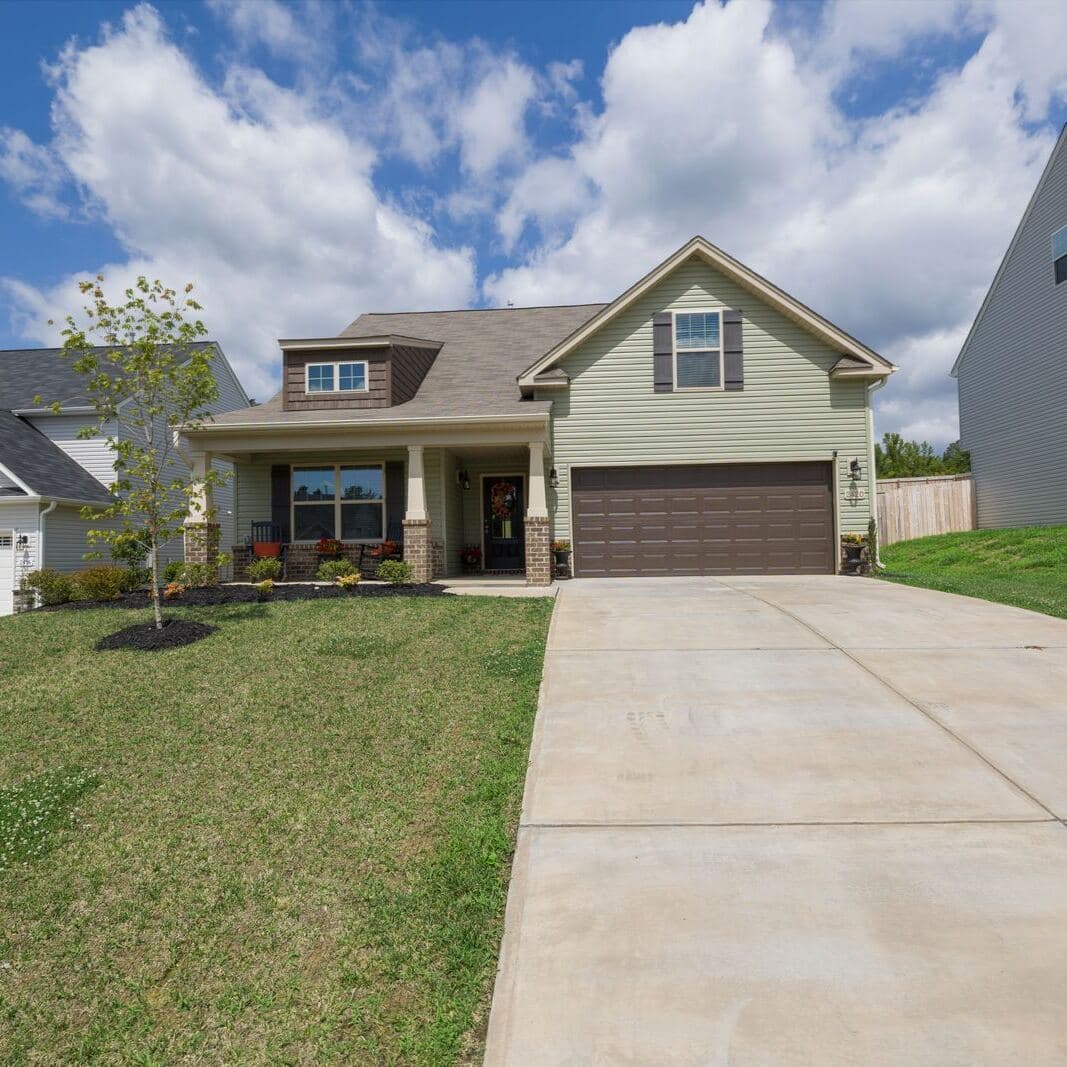
Second Home Insurance in California: Which Policy FitsA second home needs its own policy, chosen by how you use it. Seasonal homeowners, dwelling fire if rented, or vacant cover if empty, with California options.October 1, 2026

Agreed Value Car Insurance: How It Works and Who Offers ItAgreed value pays a set amount after a total loss, with no depreciation. How it differs from stated value and actual cash value, and who qualifies.September 30, 2026

Flood Insurance in California: NFIP vs Private FloodCalifornia home policies exclude flood. The NFIP caps homes at $250,000 with a 30-day wait; private flood goes higher. Mudflow after wildfire and how to buy.September 30, 2026
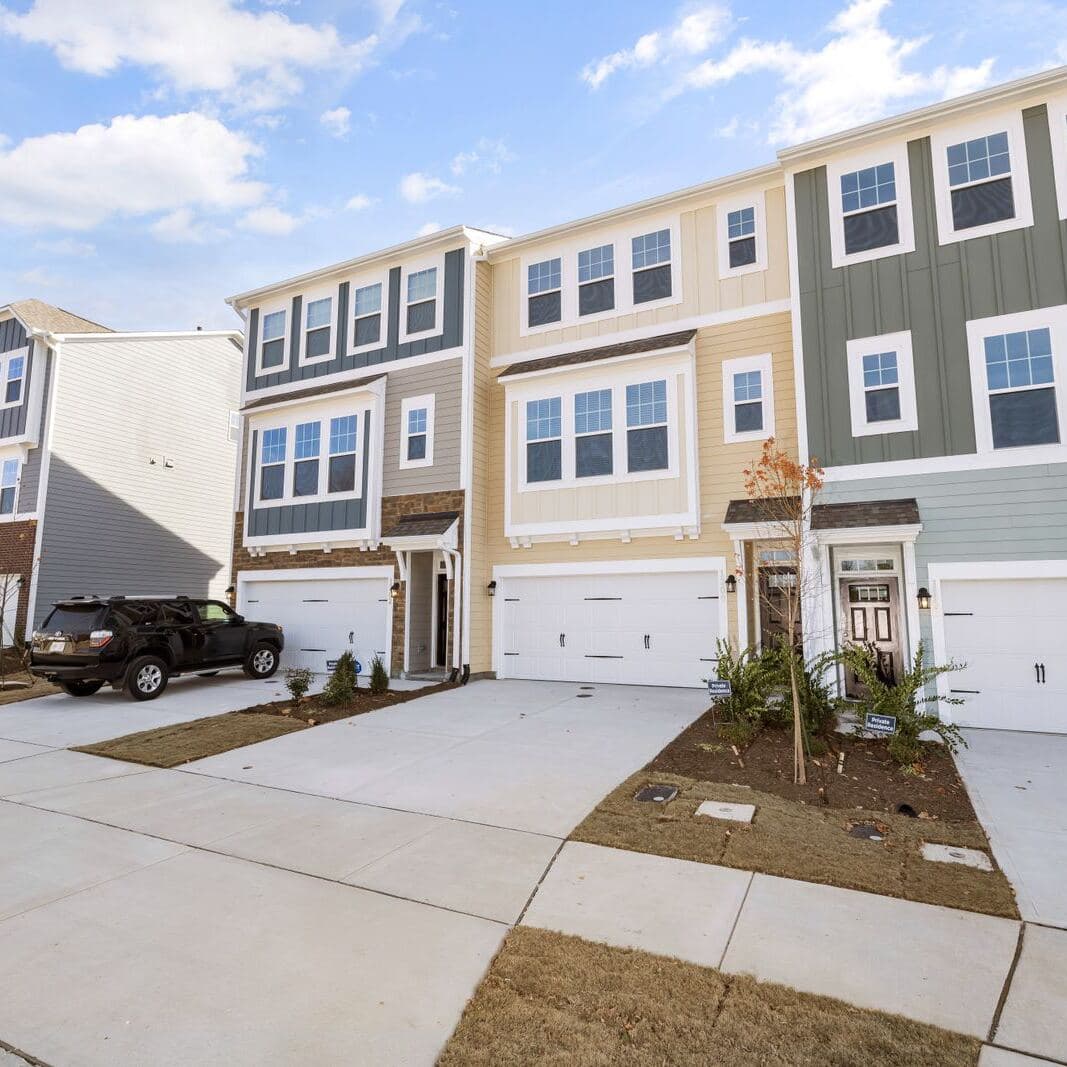
HOA Master Insurance Policy: What It Covers in CaliforniaAn HOA master policy insures common property and the association's liability. The three policy types and California's liability, D&O and crime minimums.September 30, 2026

DP1 vs DP3 Insurance: Dwelling Fire Policies ComparedDP-1 covers named perils at actual cash value; DP-3 covers open perils at replacement cost. How DP-1, DP-2 and DP-3 differ, and where the FAIR Plan fits.September 29, 2026
Landlord Insurance in Texas: Dwelling Policies, Coastal Wind and VacancyLandlord insurance in Texas is usually a dwelling policy on the rented house (TDP-1, TDP-2 or TDP-3 style), not a homeowners policy. No law requires it, but lenders do. What each form covers, how coastal rentals get wind from TWIA, when the Texas FAIR Plan's TDP-1 fits, and why 60 days of vacancy between tenants matters.September 29, 2026

Insurance for Older Mobile Homes in CaliforniaMobile homes built before June 15, 1976 predate the HUD Code. Who insures older mobile homes in California, what they ask, and what it costs.September 29, 2026
Personal Umbrella Insurance Cost and How Much to BuyA $1 million personal umbrella often costs a few hundred dollars a year. What raises the price, the underlying limits you need, and how much to buy.September 29, 2026

Texas Windstorm Insurance: TWIA, the Texas FAIR Plan and How They Fit TogetherOn the Texas coast a home policy may exclude wind and hail, and TWIA sells wind-and-hail-only policies to owners turned down by one insurer, up to $1,773,000 for a dwelling. The Texas FAIR Plan is a separate last-resort policy for owners declined by two insurers, and on the coast it excludes wind. Who needs which, and how they pair with flood.September 29, 2026

Earthquake Insurance Cost in California (2026 Data)California homeowners paid $1,440 a year on average for earthquake coverage in 2025. What sets the price, the deductible in dollars, and whether it's worth it.September 28, 2026

Home Insurance Non-Renewal in California: What to Do NextCalifornia insurers must give 75 days' notice and a reason before dropping your home. Your rights, the wildfire-score appeal and where to shop next.September 28, 2026

Loss Assessment Coverage: What It Pays and How Much to BuyCondo policies often include only $1,000 of loss assessment coverage. How it pays your share of an HOA assessment, California's 5% rule, and what limit to buy.September 28, 2026
Best Ways to Add Coverage to the California FAIR Plan: DIC Options and FAIR Plan Add-Ons ComparedThe FAIR Plan covers fire, lightning, internal explosion and smoke, and leaves out theft, water damage and liability. The best ways to fill the gap, from a broker's view, are the FAIR Plan's own options (extended coverage, vandalism, replacement cost), a DIC policy from Aegis (up to $3M) or Green Shield, the 18 admitted DIC insurers on the Department of Insurance's list, and earthquake through the CEA.September 27, 2026
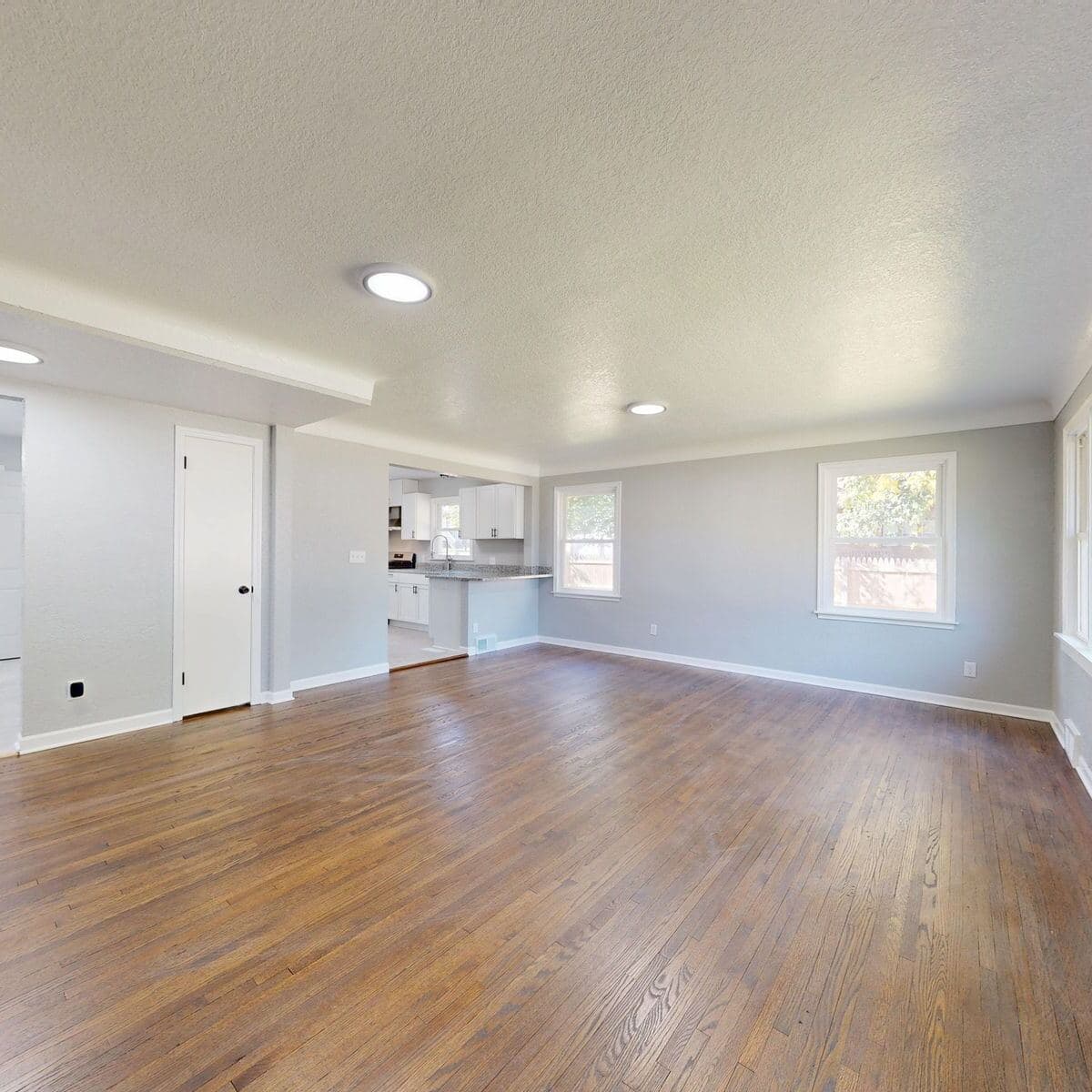
Best Vacant Home Insurance in California: Six Programs Compared by a BrokerThe vacant home programs that actually write empty California houses, compared on how long the house can sit empty, dwelling limits, forms and published minimums. The FAIR Plan (up to a year vacant), Delos ($1,500 minimum, up to 36 months), Green Shield (up to 48 months, $4M), Aegis, Foremost and American Modern, and which ones Menlo can quote today.September 27, 2026
Earthquake Insurance When You Have the California FAIR Plan: CEA, DIC or a Private Quake PolicyThe California FAIR Plan excludes earthquake damage but covers fire that follows one. FAIR Plan policyholders can add a California Earthquake Authority policy (5% to 25% deductibles, up to 25% retrofit discount), but not a stand-alone one. How that compares with a DIC policy and private earthquake programs such as Neptune ($0 deductible in a major quake) and GeoVera.September 27, 2026
Pacific Specialty Vacant Home Insurance in California: The DP1 Policy, What It Covers and How to Buy ItPacific Specialty Insurance Company sells vacant home insurance in California on its Basic Dwelling (DP1) policy, for homes empty more than 30 days. The nine named perils it covers (vandalism included), actual cash value settlement, who it fits (for sale, inherited, renovation, foreclosure), how to buy it through an agent, and what Menlo can quote instead.September 27, 2026
Insuring a Vacant or Inherited Home in California: Vacancy Clauses, Estates and Trusts, and What It CostsA California house left empty after a death, a move or a tenant leaving loses fire coverage after 60 days of vacancy under the standard fire policy. Which programs insure it (FAIR Plan up to a year vacant, Delos from $1,500 a year, Green Shield up to 48 months), how an estate or trust is named, and what to prepare.September 27, 2026

California Cannabis License: The $5,000 DCC Bond and the Insurance You NeedEvery annual California cannabis license needs a surety bond of at least $5,000 per licensed premises, payable to the State on DCC Form 8113. Distributors must also carry general liability of at least $1 million per loss and $2 million aggregate. Event organizers are exempt from the bond. What each license type needs and how to keep it in force at renewal.September 25, 2026
Aegis Insurance for Vacant Homes in California: Aegis General's Dwelling Fire and DIC ProgramsWhether Aegis General Insurance Agency can cover an empty California house, which Aegis programs and insurers are involved (DB Insurance, Lloyd's via Hiscox), what older Aegis guidelines said about vandalism and theft on vacant homes, and how to get a quote through a broker.September 24, 2026
American Modern Vacant Home Insurance: Coverage, 3-to-12-Month Terms and California AvailabilityHow American Modern insures empty houses on its Dwelling Basic and Dwelling Special programs, with 3-, 6- and 12-month terms, optional vandalism and burglary, builders risk during a renovation, and what a California owner should confirm before counting on it.September 24, 2026

California FAIR Plan Quote: How the Broker Application Works, Step by StepHow to get a California FAIR Plan quote in 2026. Only a broker registered with the plan can submit the application, no broker fee is allowed, the plan answers within three business days of an inspection report, and eleven kinds of property are ineligible.September 24, 2026
California FAIR Plan for Rental Property and Condos: Fair Rental Value, Occupancy and What to AddHow the California FAIR Plan dwelling policy (CFP 00 01) works for landlords of 1 to 4 unit rentals, short-term and seasonal rentals, condo unit owners and tenants. Fair Rental Value pays 1/12 of its limit a month, total losses settle at actual cash value unless you add replacement cost, and liability has to come from another policy.September 24, 2026
FAIR Plan Temporary Supplemental Fee: Why It's on Your Home Insurance BillThe "Temporary Supplemental Fee" on California home insurance bills recovers half of the $1 billion FAIR Plan assessment approved after the January 2025 Los Angeles fires. The Department of Insurance approved 176 insurer filings through August 2026; the median homeowner fee is $28 a year for up to two years.September 24, 2026
Foremost Vacant Home Insurance in California: What the Farmers Program Covers and How to Get a QuoteForemost, the Farmers specialty-home company, reopened its Dwelling Fire Vacant policy to new California customers on March 15, 2025. What the named-peril base policy covers, which add-ons matter for an empty house, and what you need to apply.September 24, 2026
Green Shield Risk Solutions: Vacant Home Insurance in California and Who Pays the ClaimWhat Green Shield Risk Solutions is, how its Vacant Property program covers an empty California house through the AUGold platform and Lloyd's capacity, what the application asks about the vacancy, and what to check on the quote before you bind.September 24, 2026
Annex Risk Insurance: Who It Is, What It Writes in California, and How to Get a QuoteWhat Annex Risk is, the homeowners and flood programs it offers in catastrophe-exposed areas, what its California wildfire program looks for, how a quote reaches it through an appointed broker, and the questions to ask about the paper before you buy.September 23, 2026
Blitz Insurance: Who It Is, What Its Builders Risk and Vacant Building Programs Cover, and How to Get a QuoteWhat Blitz Insurance is (a full-stack E&S managing general underwriter), what its builders risk, vacant commercial building, special events and contractors programs offer, who fits them, and how a California business gets a quote through a broker.September 23, 2026
California FAIR Plan Rate Increase 2026: What Was Approved, What Drives Your Cost, and What You Can DoThe California Department of Insurance approved a 29.1 percent FAIR Plan dwelling fire rate change in April 2026, effective October 15. What it means for your premium, why cost varies by ZIP code, and the moves that can lower the bill or get you off the plan.September 23, 2026
Flood Zones AE and X Explained: What Each FEMA Zone Means for Flood Insurance in CaliforniaFlood zone AE is a FEMA high-risk area with a 1 percent annual chance of flooding and a known base flood elevation, so flood insurance is required for federally backed mortgages. Zone X is moderate (shaded) or minimal (unshaded) risk, where it is optional. Every FEMA zone, how to look yours up, NFIP vs private flood, Risk Rating 2.0 and California's post-wildfire and Central Valley risks.September 23, 2026
What Is an Insurance Binder? How Long It Lasts in California and Why Your Lender Asks for OneAn insurance binder is temporary written proof that coverage is in force until the policy is issued. In California, Insurance Code 382.5 limits a binder to 90 days and makes it valid proof of insurance for lenders. What a binder contains, who can issue one, and how it differs from a certificate of insurance and a declarations page.September 23, 2026
Delos Insurance in California: Who It Writes and What the 2026 Expansion ChangedWhat Delos Insurance is, who qualifies for its California homeowners policies, and what the March 2026 expansion changed for homes stuck on the FAIR Plan.August 8, 2026
DIC Insurance: How a Difference in Conditions Policy Completes Your FAIR PlanHow a difference in conditions (DIC) policy wraps around the California FAIR Plan, what it covers, who sells one, how to match limits, and what it cannot do.August 8, 2026
Essentia Insurance Company: The Name on Your Hagerty PolicyEssentia Insurance Company (NAIC 37915) issues US Hagerty policies. Here is what changed on January 1, 2026, when Hagerty Re took 100% of the risk from Markel.August 8, 2026

Is ERGO NEXT the Same as Next Insurance? What the Rebrand Changes for YouNext Insurance rebranded as ERGO NEXT in January 2026 after Munich Re's $2.6B deal. What changes on your policy and COI, and who the carrier actually fits.August 8, 2026

Who Underwrites Classic Car Insurance? Five Brands, One CarrierGrundy, American Collectors, J.C. Taylor, Condon Skelly, and Heacock Classic now share one carrier group. See who underwrites each classic car insurance brand.August 8, 2026

AM Best Ratings Explained: What Insurance Company Ratings MeanThe AM Best A++ to D financial strength scale explained, whether B++ is a good rating, how to look one up, and why surplus lines buyers check it.July 16, 2026

Broker of Record Letter: How a BOR Change WorksA broker of record letter switches your insurance broker without changing your policy. What happens after you sign, the 10-day window and when to switch.July 16, 2026

Commercial Crime Insurance and Fidelity BondsWhat commercial crime insurance covers, how fidelity bonds and employee theft coverage work, and the ERISA bond (10% of plan funds) your plan must carry.July 16, 2026

Cyber Insurance for Small Business: Coverage and CostWhat cyber insurance covers for a small business, what it costs (about $129 a month), first vs third party coverage, and the controls carriers require.July 16, 2026

Insurance Agent vs Broker: Who Actually Works for You?Agents legally represent the insurance company; brokers represent you. How captive agents, independent agents and brokers differ in binding and pay.July 16, 2026

Rebating, Twisting and Churning in InsuranceWhat rebating, twisting and churning mean, where rebates are legal (California, Florida and the 2020 NAIC change), and the penalties for each.July 16, 2026

What Is Gap Insurance and How Does It Work?Gap insurance pays the difference between your car loan balance and the car's actual cash value after a total loss. What it costs and when it is worth it.July 16, 2026

California FAIR Plan: What It Covers, What It Costs, and How to Leave ItWhat the California FAIR Plan covers and excludes, its dwelling and commercial limits, how you apply through a broker, what drives the premium, the approved 2026 rate change, and the routes back to a regular insurer.July 13, 2026

Surplus Lines Insurance: What It Is and When You Need ItSurplus lines insurance covers risks licensed insurers turn down. How non-admitted placements work, what they cost in taxes and fees, and the trade-offs.July 13, 2026

Surplus Lines Tax Rates by State (2026)2026 surplus lines tax rates and stamping fees for all 50 states and DC, from 0.925% in Iowa to 6%, with a worked example and the NRRA home-state rule.July 13, 2026

Admitted vs Non-Admitted Insurance: The DifferenceAdmitted carriers file rates and are backed by a guaranty fund; non-admitted (E&S) carriers have freedom of rate and form. When each fits, and taxes.July 10, 2026

What Is a BOP? The Business Owners Policy ExplainedA businessowners policy (BOP) bundles property, liability and business income. Who qualifies, what it excludes, and what it costs ($83/month average).July 10, 2026

Certificate Holder vs. Additional InsuredA certificate holder gets a document; an additional insured gets coverage. What each status grants, what it costs, and the contract mistakes to avoid.July 10, 2026

How to Read Loss Runs Like an UnderwriterHow to read insurance loss runs column by column: paid, reserved and incurred amounts, valuation dates, how underwriters score them, and cleanup.July 10, 2026

Certificate of Insurance (COI): What It ProvesWhat a certificate of insurance proves, when landlords and contractors ask for one, and why a COI alone never makes anyone an additional insured.July 9, 2026
Related forms
Browse form references →ACORD 101Additional Remarks ScheduleLearn how ACORD 101 carries additional remarks tied to another ACORD form, why clear cross-references matter, and what this schedule does not change itself.ACORD 125Commercial Insurance ApplicationWhat the ACORD 125 commercial insurance application collects, how underwriters use it, and why the answers on it legally bind the business that signs.ACORD 160Business Owners SectionLearn what ACORD 160 collects for a business owners policy, including locations, property, liability exposures, and requested options before submission.ACORD 175Commercial Policy Change RequestLearn how ACORD 175 requests a commercial policy change, which effective details to verify, and why the request is not proof of an issued endorsement.ACORD 26Policy Certification LogLearn how the ACORD 26 Policy Certification Log tracks certificates and evidence issued for one insured, and why the log is not proof of coverage.ACORD 35Cancellation Request / Policy ReleaseLearn what ACORD 35 requests, why a signed cancellation request does not end coverage by itself, and how timing, refunds, and replacement insurance work.ACORD 36Agent/Broker of Record ChangeLearn how ACORD 36 requests an agent or broker of record change, what stays unchanged, and why carrier acceptance and effective timing still matter in writing.ACORD 37Statement of No LossLearn what ACORD 37 asks you to certify after a coverage lapse, why accuracy matters, and why the form is not proof that insurance was reinstated in writing.ACORD 45Additional InterestLearn how ACORD 45 lists additional interests on commercial insurance applications, why the schedule grants no policy rights, and when an endorsement matters.ACORD 611Claims History / Loss Run RequestLearn what ACORD 611 authorizes, which policies and years to identify, and how to follow up on a claims history or loss run request.ACORD 63General Fraud StatementLearn what the ACORD 63 General Fraud Statement does, why the notice varies by state, and what a signature does and does not prove before you sign it.ACORD 68Electronic Delivery SupplementLearn how the countrywide ACORD 68 records electronic-delivery choices and why a state suffix can identify a completely different form.ACORD 75Insurance BinderLearn what an ACORD 75 insurance binder documents, how temporary coverage differs from a policy, and which dates, limits, and authority to verify in detail.