







Skip to content
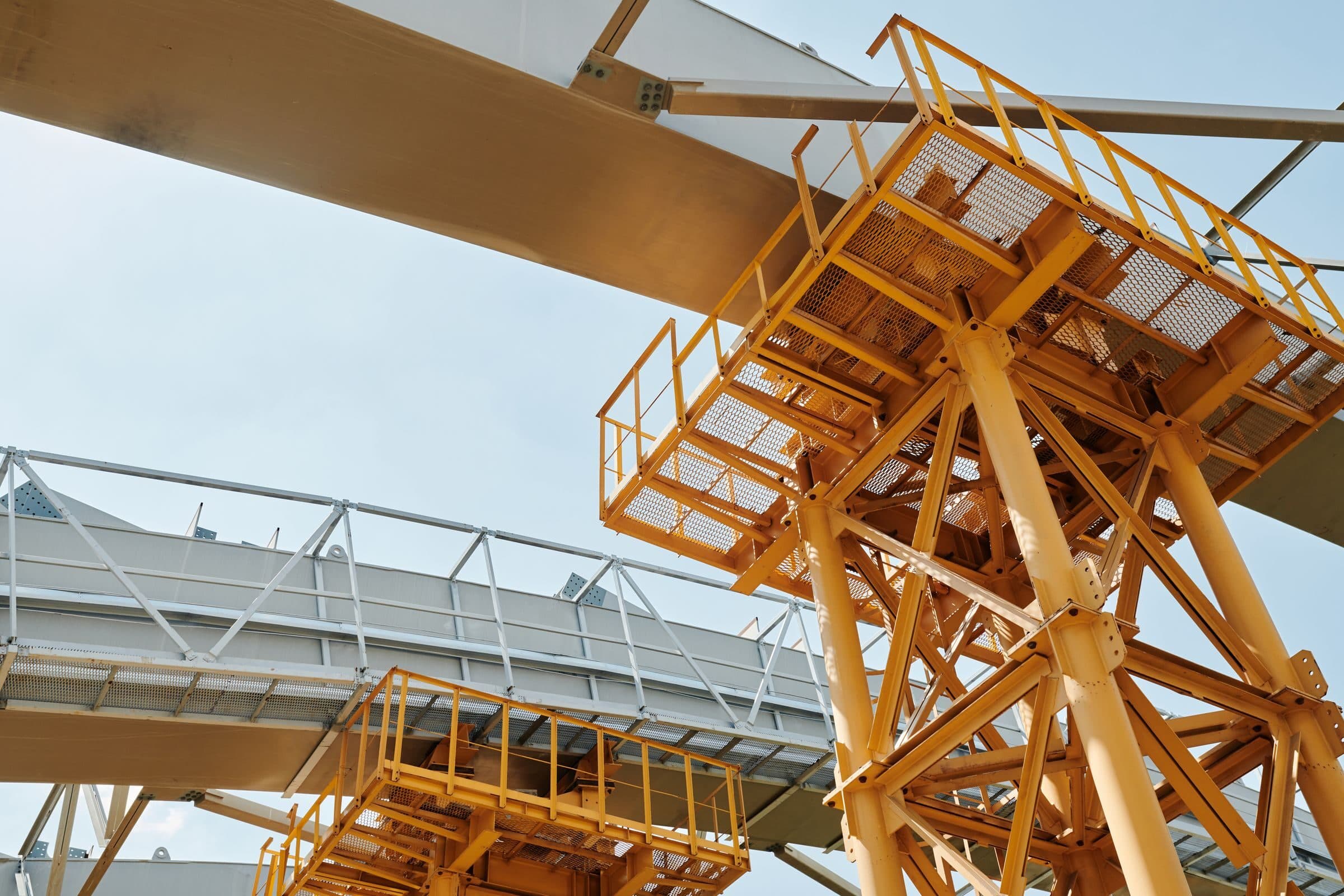
Yellow steel framing and walkways on a construction site, work a builders risk policy covers until the project is complete

Builders Risk Insurance

Cover your build from groundbreaking to completion. We get quotes from several construction insurers.

Builders risk, also called course of construction insurance, covers a building and its materials while it is being built or renovated. The programs we use write new homes, townhomes, commercial and mixed-use projects and renovations, for the owner, the general contractor, the developer or a tenant. Terms usually run up to 12 months, with options for longer projects.

Who qualifies
New homes, light commercial projects and renovations. Blitz insures the owner, general contractor, developer or tenant, so a homeowner with a contractor can buy it, while Green Shield does not take owner builders
Project size
$150,000 to $5 million per structure on one program, and up to $10 million for frame construction on another
Terms
3 to 12 months, with options for projects that run longer than a year
Starting price
Alchemy's minimum premium is $400 per policy term
Programs we use
Alchemy, Blitz and Green Shield builders risk programs, plus the builders risk carriers Alliance Blue markets to

We shop the market for you, no broker fees

  • Alchemy
  • Blitz
  • Green Shield
  • Great American
  • Navigators / The Hartford
  • BTIS
  • Chubb
  • Travelers

What the builders risk market writes

Owners, contractors and developers

Owners, general contractors, developers and volume builders can all apply, though applicant rules vary by market. Some programs require a licensed general contractor and experience history, while others accept an owner builder. The form keeps every route open.
Online programs with caps by construction type

New construction and renovation projects can be rated online up to a cap that depends on the construction type. Each sets its own cap by construction type, from roughly 4 million dollars on the smallest lane to 10 million for frame construction on another. A larger project goes to a broker for a separate market review rather than through this request.

The location decides eligibility

The project's address decides which programs can write it: wildfire hazard, active-fire proximity, coastal distance and over-water construction affect each program differently. The broker checks the address across the shopping path instead of applying one carrier's cutoff to all.

One form, several construction markets

One form reaches several construction markets by asking for the construction, values, schedule and site details they need to quote. Flood and earthquake options come through select markets, and how claims are paid and optional limits for soft costs (interest, permits, delays) vary by insurer.

Is your project a fit?

Usually a fit

  • Homes, townhomes and mixed-use
  • Structural or cosmetic renovation
  • Owners, contractors and developers
  • Terms from 3 months to over a year

Usually declined or referred

  • Over water construction
  • Non conventional construction
  • Recent bankruptcy, fraud or arson
  • Active wildfire or coastal exposure

How it works

  1. One short form

    A few questions about your business or home.

  2. We shop the market

    We compare carriers and read the forms line by line.

  3. Quote and bind

    We pick the best policy and get you covered.

Protection for the work while it is being built

One application reaches several builders risk markets, so you tell us about the project once. We compare the available builders risk markets and help you review the options.

  • Theft of materials

    Commonly covered, with a sublimit that varies by market.

  • Fire and wind

    Windstorm or hail can carry its own deductible.

  • Soft costs

    Optional cover for costs such as loan interest during a delay.

  • Flood and earthquake

    Available as options through select markets, depending on the address.

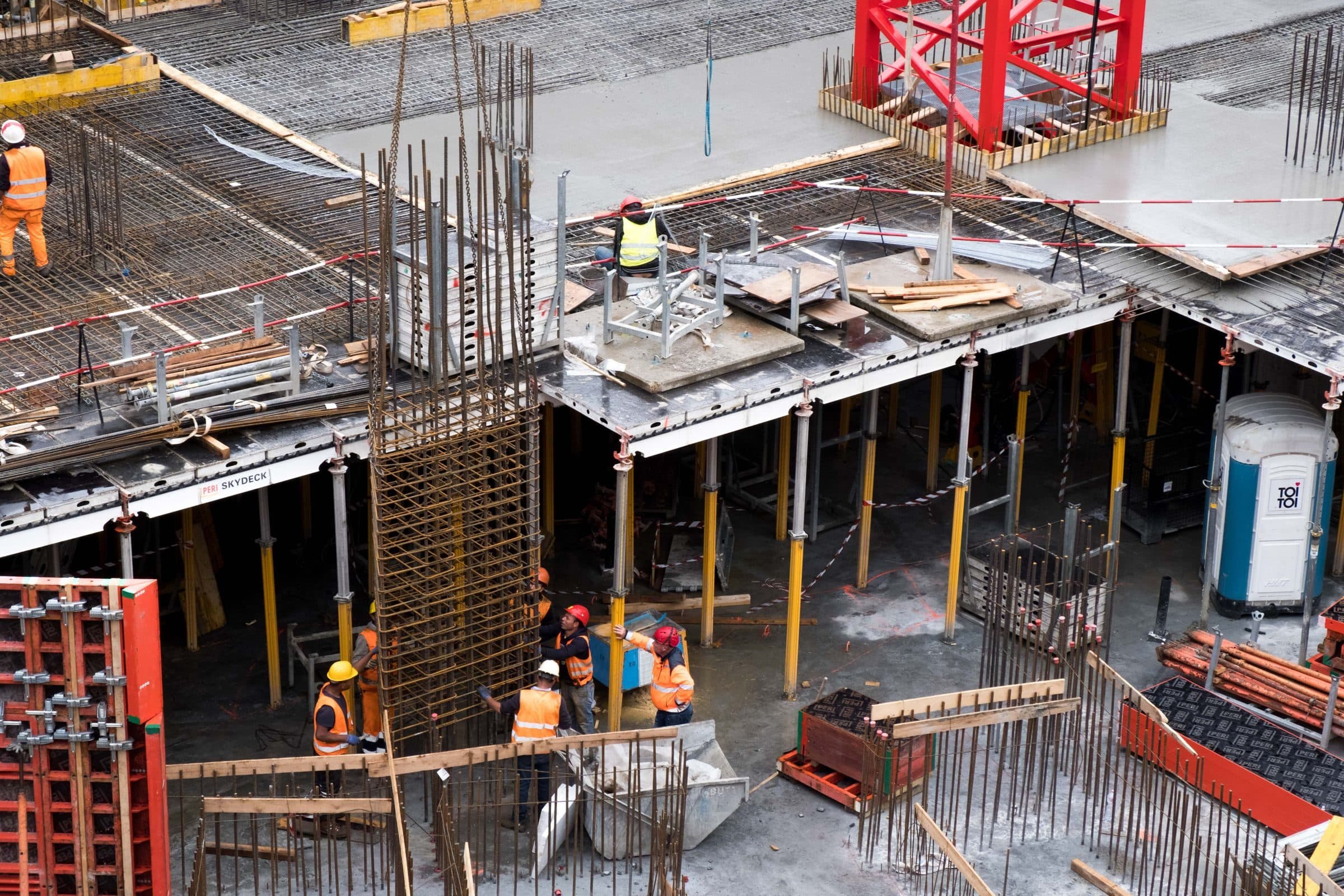
A crew raising a steel frame on a construction site, a project covered by builders risk until completion

On the California FAIR Plan

The FAIR Plan commercial fire policy writes buildings under construction, including a rebuild after a wildfire.

Course of construction

The FAIR Plan asks for a photo of the site and applies a mandatory minimum deductible to construction projects.

Get a FAIR Plan only quote

Rebuilding after a fire

A home being rebuilt can stay on the FAIR Plan while it is under construction, beyond the one year vacancy limit.

See the California FAIR Plan

Project limits vary by market

Each program sets its own cap by construction type. A larger project goes to a broker for a separate market review.

  1. 01

    Smallest online program

    Up to $4M

  2. 02

    Frame construction, largest program

    Up to $10M

Written for builders and projects, including:

  • Residential 1-4 family new construction
  • High-value residential new construction
  • Townhomes, subdivisions and multi-building developments
  • Commercial and mixed-use new construction
  • Frame construction up to $10 million
  • Additions, remodeling and renovation of existing structures
  • Mid-completion projects

What changes your premium

One national builders risk program we use has a minimum premium of $400 per policy term. The project's completed value, construction type, location and term set the actual price above that.

  • Completed value
  • Construction type
  • Address and county
  • Fire protection class
  • Project length
  • Builder experience

Questions we get asked

Is course of construction insurance the same as builders risk?

Yes. Course of construction is another name for the same inland marine policy that covers a building while it is being built or renovated. Lenders and contracts use the two names interchangeably.

Who buys builders risk, the owner or the contractor?

Either may buy it, depending on the market. Some programs require a licensed general contractor, while owner builders route to markets that accept them. The form stays open so the broker can make that match.

Why does my lender require builders risk before funding?

Because the lender's collateral is a building that does not exist yet. Builders risk covers the structure, materials and the work in progress while it is being built, which is why funding is conditioned on proof of coverage before the first draw.

How are renovations covered differently from new construction?

Renovations are insured in two parts, the existing building value and the cost of the renovation work. One program writes renovation terms month by month up to 12 months. Valuation and loss settlement terms vary by market, so the broker reviews both parts of the proposed coverage.

How long does the policy run?

It depends on the program. New construction commonly runs 12 months, one program offers 3, 6, 8, 10 or 12 month terms, and a project that will take longer than a year has options too, up to about 30 to 36 months on one policy in select markets. Provide the planned schedule and confirm the term and any extension in the actual proposal.

Can builders risk include flood and earthquake?

It can, through select markets. Flood and earthquake are options rather than part of every builders risk policy, and whether a market offers them depends on the project's address. Ask for them in the request and the broker confirms what each quote includes.

What makes a project ineligible?

Over-water or non-conventional construction, recent bankruptcy or foreclosure, and fraud or arson history can close individual programs. The current form collects those facts for routing and review; it does not call them lane-wide declines without evidence from every market.

When does coverage start and end on a ground up build?

Coverage starts on the policy's effective date and ends at events such as completion or occupancy, so ask the broker to confirm both. Do not assume that delivery of materials or starting the application puts coverage in force.

What are soft costs?

Soft costs are the costs that continue after a covered loss delays the project: construction loan interest, lost rents, re-engineering and permit refiling. They are an optional coverage with limits that vary by market, not an automatic part of the policy.

Are materials on site covered against theft?

Usually yes: theft of building materials is commonly covered with a sublimit. The limit varies by market, so the broker confirms it on each quote.

Does builders risk cover my liability on the job?

No. Builders risk covers the building and materials. Injury or damage to other people on the job is general liability, which a contractor buys separately.

See contractor general liability

Can you write this where my business is?

We offer coverage in the states where we are licensed. Begin a quote with the address of your business or risk, and we'll let you know which markets can write that location before you spend much time on the questions.

What happens after I start a quote?

Tell us about the coverage you need and complete the application. We use those details to approach suitable markets and may ask follow-up questions. Requesting a quote does not put coverage in force.

Start your quote online.

Fill in one short form or call us. No broker fees.