Average cost of earthquake insurance
Our guide to average premiums by policy type and what moves the price.
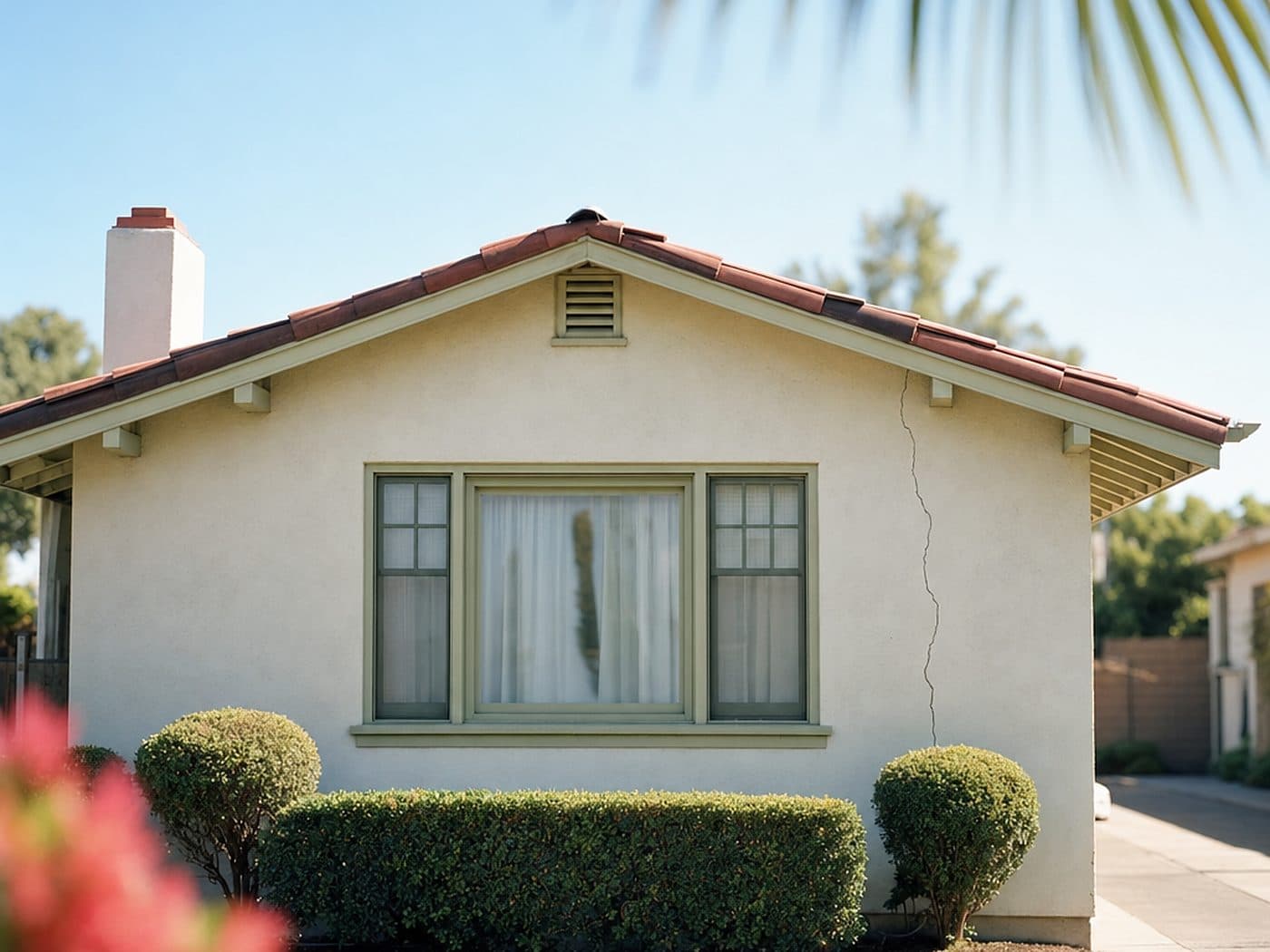
Protect your home from earthquake damage. We compare private carriers on price, deductibles and terms.


Repairs to the home itself after earthquake shake damage, subject to your deductible.
Coverage for your contents, usually as a limit you choose alongside the dwelling.
Additional living expenses if quake damage makes the home uninhabitable during repairs.
Coverage through the private earthquake carriers we shop, compared on price, deductible and terms. A CEA policy is sold through a participating homeowners insurer, not through this request.

The FAIR Plan does not cover earthquake. A policy from the state earthquake program can be written alongside it.
The CEA policy is written as a companion to your FAIR Plan policy and needs its policy number. We quote it with the FAIR Plan.
Our guide to average premiums by policy type and what moves the price.

The structure, everything inside it, and your liability as the owner of the place it happened.
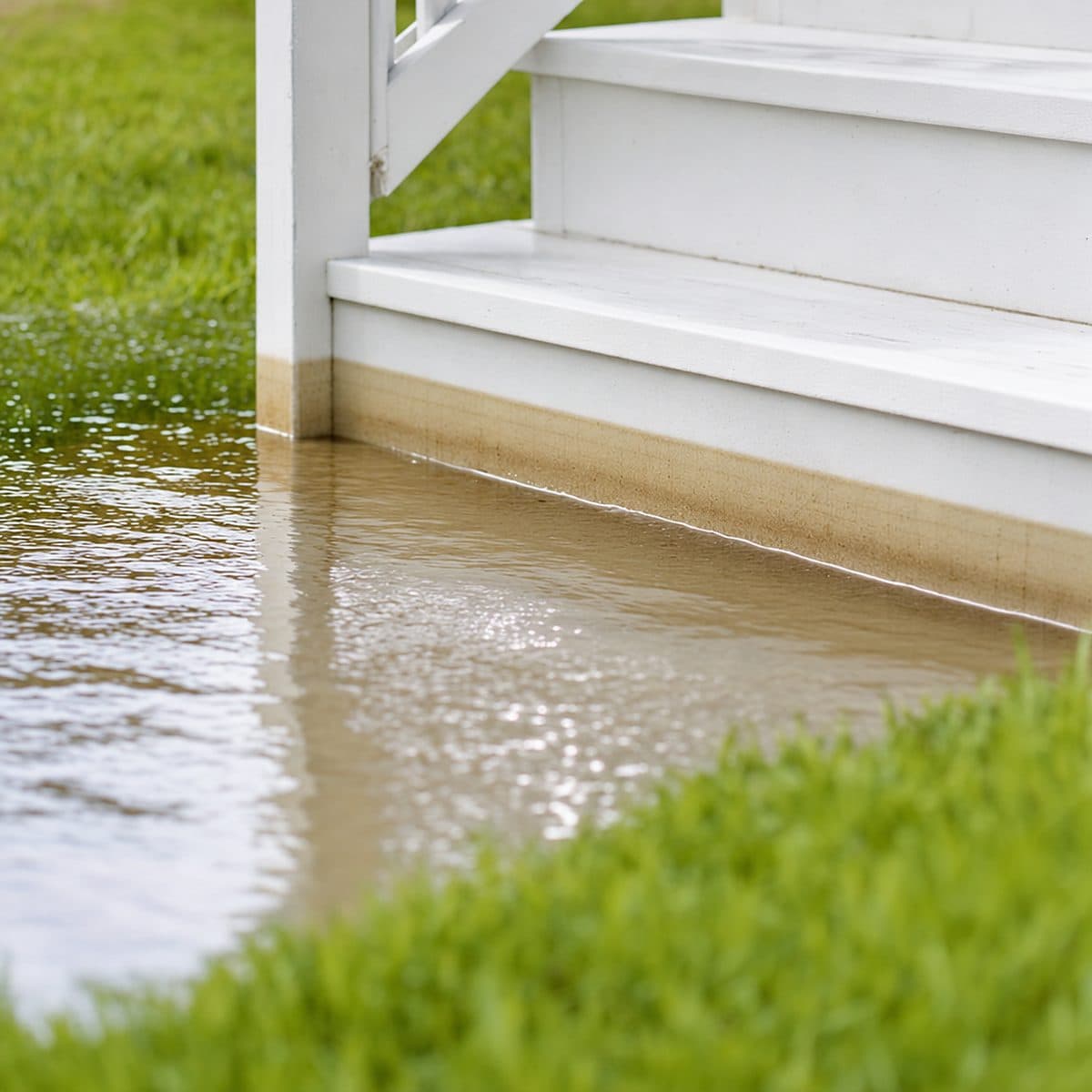
Excluded from every standard home policy in every state, so it is bought separately or not at all.

Extra liability limit sitting above the home and auto policies you already carry, for a fraction of what raising each one costs.
No law requires it, and standard homeowners policies exclude earthquake damage entirely. Where the seismic risk is real, the question is whether you could afford to rebuild out of pocket. For many owners the answer makes the coverage worth pricing, even with a high deductible.
A state earthquake program is publicly managed and privately financed, and its policies are sold through participating homeowners insurers. Private carriers can also write earthquake coverage, with varying deductibles, policy limits and extras. We quote the private carriers we shop, and we tell you when a quote from your homeowners insurer's state program is worth comparing side by side.
Earthquake policies use a percentage deductible, often 10 to 25 percent of the dwelling limit, rather than a flat dollar amount. On an expensive home that is a large number, which is why the coverage is designed for a catastrophic rebuild rather than minor cracks. Lower deductible options exist at a higher premium.
Yes, it can be quoted. A deductible buy back policy pays back a portion of the deductible on the earthquake policy you already carry on your home, after a covered quake. The form asks whether you have one, then the construction type, the year built and the rebuilding value from your current policy.
No. Earthquake shake damage is a standard exclusion on homeowners policies. You need a separate earthquake policy or endorsement. Fire that follows a quake is the exception, since fire is a covered peril on the homeowners policy itself.
Cost depends on your home's location and soil, its age and construction, the dwelling limit, and the deductible you choose. Older homes and those near active faults generally cost more, while retrofitting can lower the premium. We quote it against your actual property.
Most policies let you add personal property and loss of use coverage alongside the dwelling limit. Personal property helps replace contents damaged in the quake, and loss of use pays additional living expenses while the home is repaired. The limits are yours to choose.
Yes. Condo policies exclude earthquake too, and a private earthquake policy for a condo unit is priced on the personal property limit of your current condo policy. The association's master policy decides what happens to the building itself, so check whether it carries earthquake before you choose your limits.
Fire is covered by your homeowners policy, not the earthquake policy, even when a quake starts it.
The land, and costs to stabilize or regrade it, are generally excluded.
Pools, fences, and detached masonry are often limited or excluded, depending on the policy.
Water damage from flooding or a tsunami needs separate flood coverage.
We offer coverage in the states where we are licensed. Begin a quote with the address of your business or risk, and we'll let you know which markets can write that location before you spend much time on the questions.
Tell us about the coverage you need and complete the application. We use those details to approach suitable markets and may ask follow-up questions. Requesting a quote does not put coverage in force.
Fill in one short form or call us. No broker fees.