Excess and Surplus Lines Insurance
Get your business covered after a standard carrier said no. We shop specialty surplus lines markets for you.
We shop the market for you, no broker fees






For risks that need specialist underwriting
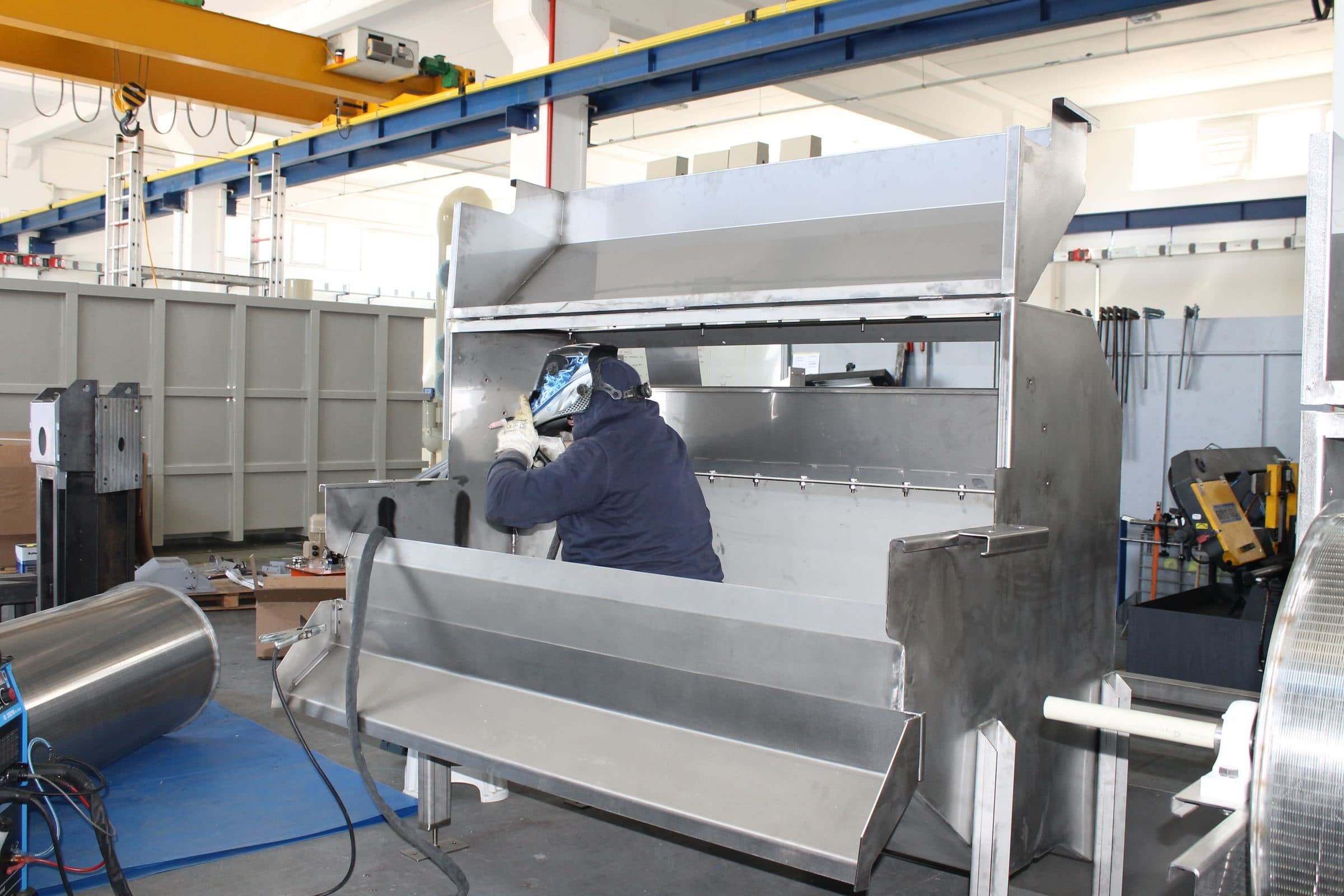
- New or unusual operations
- Higher hazard businesses
- Difficult property locations
- Businesses with complex loss history

What changes your premium
These details help insurers assess your business and price the coverage. Terms and available options vary by insurer.
- The hazard the standard market declined and why
- Your class of business and loss history
- Revenue, payroll or property values, depending on the line
- The limit and retention you need
- The surplus lines taxes and fees in your state, which are stated separately
How it works
One short form
A few questions about your business or home.
We shop the market
We compare carriers and read the forms line by line.
Quote and bind
We pick the best policy and get you covered.
What this policy can cover
Hard-to-place risks
Classes and exposures that admitted carriers decline.
High-hazard operations
Higher-risk trades and unusual operations priced by specialty markets.
New or unusual ventures
Startups and uncommon business models without a standard rate.
Custom terms and limits
Coverage tailored when off-the-shelf policies do not fit.
Questions we get asked
What is excess and surplus lines insurance?
It covers risks that standard admitted carriers decline, placed through non-admitted specialty markets built for hard-to-place exposures.
What is the difference between admitted and non-admitted carriers?
Admitted carriers are backed by the state guaranty fund and use filed rates. Non-admitted surplus lines carriers price flexibly but are not guaranty-fund backed, so their financial strength is key.
When does a business need E&S coverage?
When admitted carriers decline the risk because of class, hazard, size, loss history, or novelty. A surplus lines broker then places it with specialty markets.
Is surplus lines insurance safe?
Non-admitted carriers are not backed by the state guaranty fund, so financial strength matters. A broker reviews eligibility and AM Best ratings before any non-admitted placement is considered. The request on this page goes to a surplus lines program that writes general liability for retail and service businesses, and a risk outside it is a separate broker conversation.
Are there extra taxes or fees?
The state charges a surplus lines tax, and often a stamping fee, on non-admitted placements. A broker explains that cost before a non-admitted placement is pursued.
Is a surplus lines policy less safe than an admitted one?
It is different rather than worse. Surplus lines carriers are not backed by the state guaranty fund, so the carrier's own financial strength matters more, and we tell you which paper we are putting you on and why. In exchange the form and the appetite are far more flexible, which is often the only way a hard risk gets written at all.
Why is there an extra tax and fee on my quote?
Surplus lines premium carries a state tax and a stamping fee that admitted premium does not. They are stated separately on the invoice rather than buried in the rate.