FAIR Plan only
Commercial Fire, or the paper BOP with liability, and nothing else.
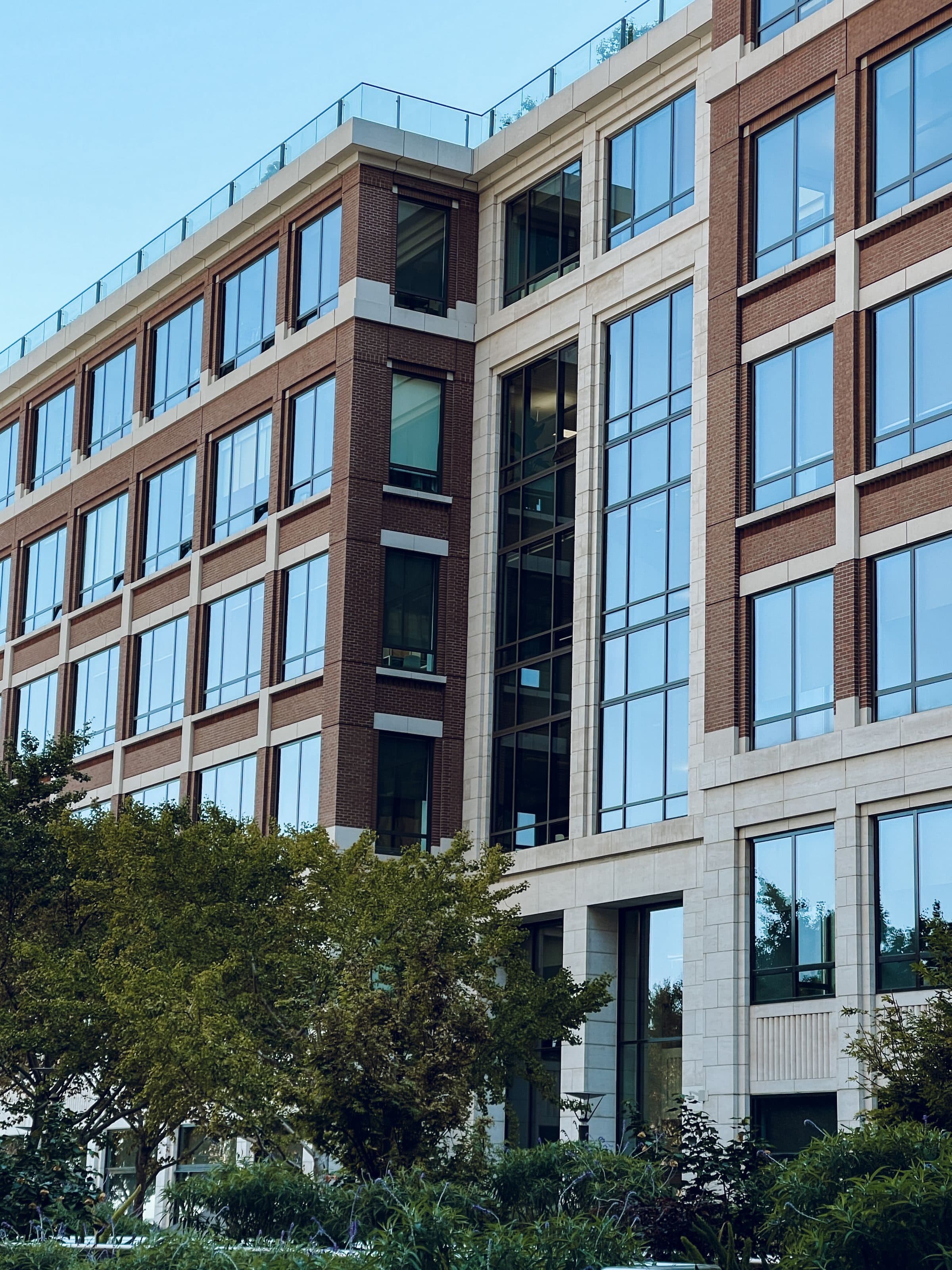
Protect the buildings, equipment, inventory and improvements your business depends on with realistic values and coverage suited to the property risk.








These details help insurers assess your business and price the coverage. Terms and available options vary by insurer.
A few questions about your business or home.
We compare carriers and read the forms line by line.
We pick the best policy and get you covered.
Owned structures, fixtures, and eligible tenant improvements after a covered loss.
Equipment, furniture, inventory, and stock at your insured location.
An option that replaces lost income and continuing expenses while covered damage interrupts operations.
A burst pipe takes a machine shop offline for four months. The equipment claim is settled in weeks. The four months of orders that went to a competitor is a much larger number, and only business income coverage answers it.
An option that covers the added cost of staying open or reopening after a loss.
Because packaged property is capped by class and by value. Once your building, your equipment or your stock passes what a package will carry, property moves to its own policy and gets a broader form, real valuation choices and a deductible structure you can actually negotiate.
The build-out. If you lease, the landlord insures the shell, and the counters, wiring, flooring and fixtures you paid for are yours to insure as tenant improvements. It is the most common uninsured item we find, and the lease usually says so in a clause nobody reads until there is a fire.
The structure you own, its permanently installed fixtures, and usually the equipment that serves the building itself.
Everything inside that is yours: equipment, furniture, stock, and the tools of your trade.
The build-out you paid for in a space you lease. The landlord's policy does not cover it, and this is the single most common uninsured item we find.
Lost earnings and the cost of operating somewhere else while a covered loss is repaired.
Customer goods and consigned property you are responsible for, subject to the form and a separate limit.
Excluded on standard forms. It needs a separate flood policy or a difference in conditions form, and in some locations a lender will require it.
Excluded on standard forms. In California it is bought back by endorsement or written as its own policy, and the deductible is a percentage of the value rather than a flat figure.
A roof at the end of its life, a slow leak or a maintenance failure is upkeep. Insurance responds to sudden and accidental events.
Tools in a van, equipment on a jobsite and goods in transit are inland marine, not building coverage.
This policy pays for your property. Someone else's injury or property damage is general liability.
Dishonesty by your own people is a crime coverage, and it is bought separately or endorsed on.
When no insurer will take the building, the FAIR Plan commercial fire policy covers it up to $20 million per building and $100 million per location. This request quotes the FAIR Plan next to the other markets.
Commercial Fire, or the paper BOP with liability, and nothing else.
Five or more units on FAIR Commercial Fire or the BOP.
Barns and winery buildings, not crops.
A building more than 70% empty.
The landlord insures the shell. Your build-out, your equipment and your stock are yours to insure, and the lease usually says so in a clause nobody reads until there is a fire.
Package policies cap property values by class. When your building or your contents exceed what the package will carry, property moves out to its own policy and gets a broader form.
Standard carriers have pulled back hard from parts of California. We look at the admitted market first, then the surplus market, and where the FAIR Plan is the answer we place the wrap policy alongside it.
If the valuable thing is a machine on a trailer, tools in a van or goods in transit, a building policy does not follow it. Inland marine does.
Start with your contract requirements and potential losses. Then compare the cost of higher limits with what you could afford to pay yourself.
Check the insurance limits and endorsements required by your lease, client agreements or project contract.
Consider property values, the work you do, possible injury claims and legal defense costs.
Where available, compare more than one limit and deductible. A lower premium may leave you paying more after a loss.
Review changes in revenue, payroll, property values and operations before renewing your coverage.
It covers your building, business personal property, and inventory against covered causes of loss, with options for business income and extra expense.
Replacement cost rebuilds without deducting depreciation. Actual cash value pays depreciated value and costs less. The valuation you choose is the most important coverage decision.
No. Both are excluded from standard property forms and need separate policies, which matters for many California properties.
Building value and construction, occupancy, location and catastrophe exposure, deductible, and your chosen limits all move the premium.
It requires you to insure the property to a set percentage of its value. Underinsuring triggers a penalty at claim time, so accurate values matter.
No. Standard commercial property forms exclude flood, and that includes surface water and, in most forms, mudflow. It is bought as a separate policy or added through a difference in conditions form. If you have a mortgage in a mapped flood zone your lender will require it anyway.
Not on a standard form. It is bought back by endorsement or written standalone, and the deductible is stated as a percentage of the insured value rather than a flat amount, which is why the deductible conversation matters more here than on any other line.
Generally no. Property coverage attaches to the described premises. Tools in a vehicle, equipment on a jobsite and property in transit belong on an inland marine policy.
No. This policy pays for damage to your own property. Injury to a customer, a vendor or a passerby is general liability.
No. Employee dishonesty is excluded from property forms and is covered by commercial crime insurance, which is written separately or endorsed on.
Replacement cost pays to rebuild or replace with materials of like kind and quality. Actual cash value subtracts depreciation, so an older roof or older equipment settles for materially less. Replacement cost costs more up front and is what most owners actually want. We quote both so the tradeoff is visible.
Start online or call to get covered fast with no fees.