Builders Risk
Covers the whole structure under construction. An installation floater covers one trade's materials and equipment.
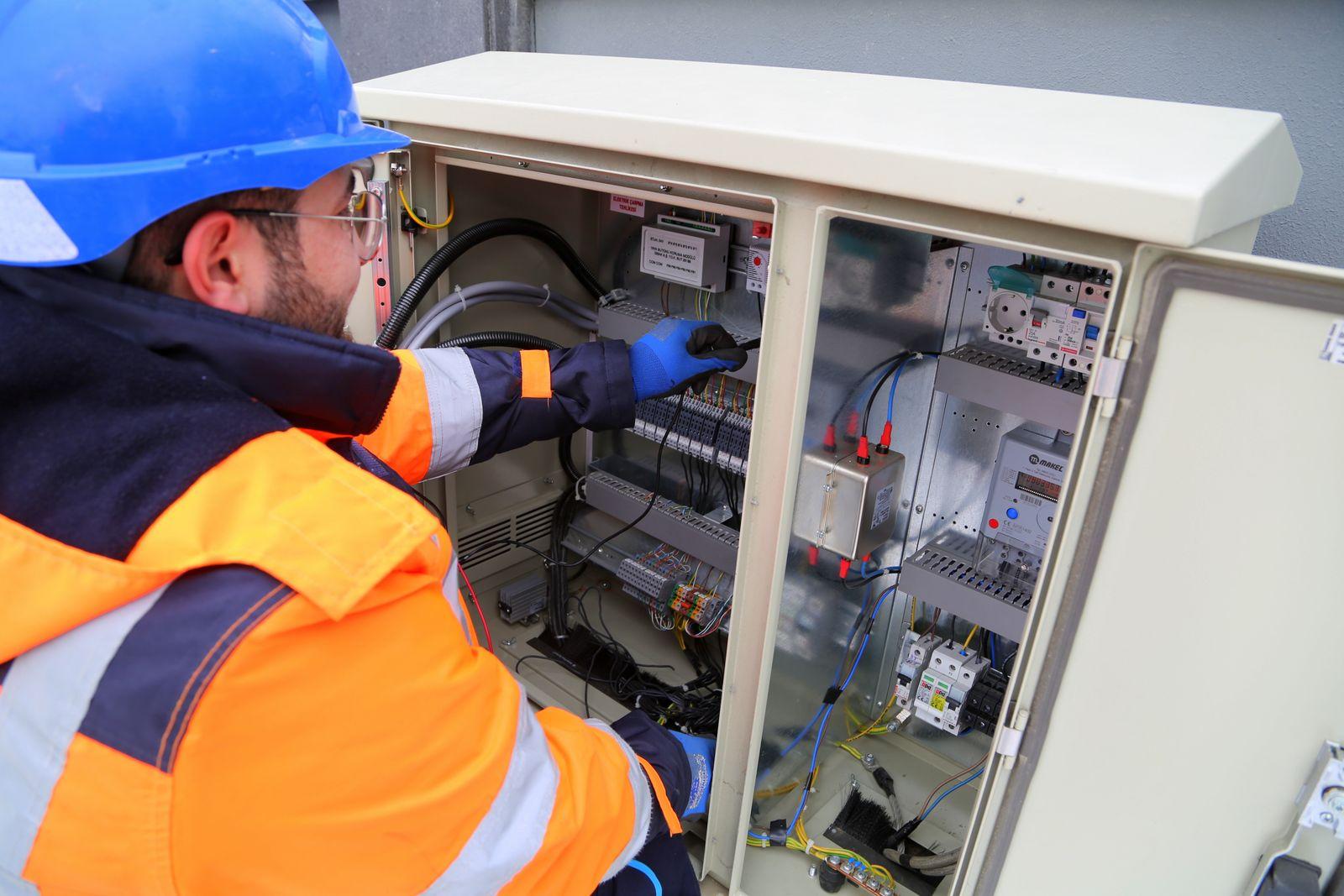
Cover the materials and equipment you install until the job is done. We quote one project or every job for the year.
Installation floater insurance covers materials, supplies and equipment a contractor is installing, from the time they leave for the job until the work is complete. It protects them in transit, in temporary storage and at the site. Trade contractors, general contractors and owners buy it for one project or as a blanket policy for every job in a year.
Our commitment
Committed to doing insurance right, and doing it fast. Our vision: every property and project properly covered in minutes, with every rule followed.
Eight brokers, one team
Our eight brokers work together as one Menlo team, so you can reach a person who understands your account.
Independent brokerage
We hold appointments with multiple carriers, so the quote is shopped rather than served from one shelf.
A few questions about your business or home.
We compare carriers and read the forms line by line.
We pick the best policy and get you covered.
An equipment floater covers the tools and machinery you own. An installation floater covers what you are putting into the building: the HVAC units, switchgear, piping or fixtures that are not yours to keep. Until the work is complete they are at risk on the road, in storage and at the site.
A single project can have its own policy. A contractor with steady work can insure every job for the year on one blanket policy, rated on receipts and typical job values.
The blanket application asks what a typical installation is worth and what the largest one is worth. Set the limit for the largest.
The application asks the value of the most valuable load of equipment on one vehicle, because materials are insured on the way to the site as well.
You can ask for testing coverage for building systems, lost income and extra expense, soft costs, and earthquake or flood limits.
Covers the whole structure under construction. An installation floater covers one trade's materials and equipment.
Covers the tools and machinery you own, on site and on the road.
Covers injury and damage your work causes to others.
Covers your crew if they are hurt on the job.
These details help insurers assess the risk and price the coverage. Terms and available options vary by insurer.
It covers direct physical loss to the materials, supplies and equipment you are installing, while they are in transit, in temporary storage and at the job site. The policy lists the causes of loss and the limits for each place.
Builders risk covers the whole building under construction and is usually bought by the owner or general contractor. An installation floater covers one contractor's materials and equipment for its part of the work.
Trade contractors who supply and install materials, such as electrical, mechanical and plumbing contractors, and general contractors or owners responsible for equipment being installed. The application takes owners, contractors and owners acting as their own contractor.
A single job policy fits a one-time or unusually large project. A blanket policy fits a contractor with several jobs a year, because every job is covered without a new application.
It does not cover your own tools and machinery, which belong on contractors equipment coverage, or injury and damage to others, which is general liability. Builders with under two years of experience are not eligible in one program.
It depends on the value of what you install, your receipts, how many jobs run at once, the deductible and the options you add. Menlo has no recorded quotes for this coverage yet, so we show no typical price.
We offer coverage in the states where we are licensed. Begin a quote with the address of your business or risk, and we'll let you know which markets can write that location before you spend much time on the questions.
Tell us about the coverage you need and complete the application. We use those details to approach suitable markets and may ask follow-up questions. Requesting a quote does not put coverage in force.