Commercial Property
For a building your own business occupies, and for its equipment and inventory.
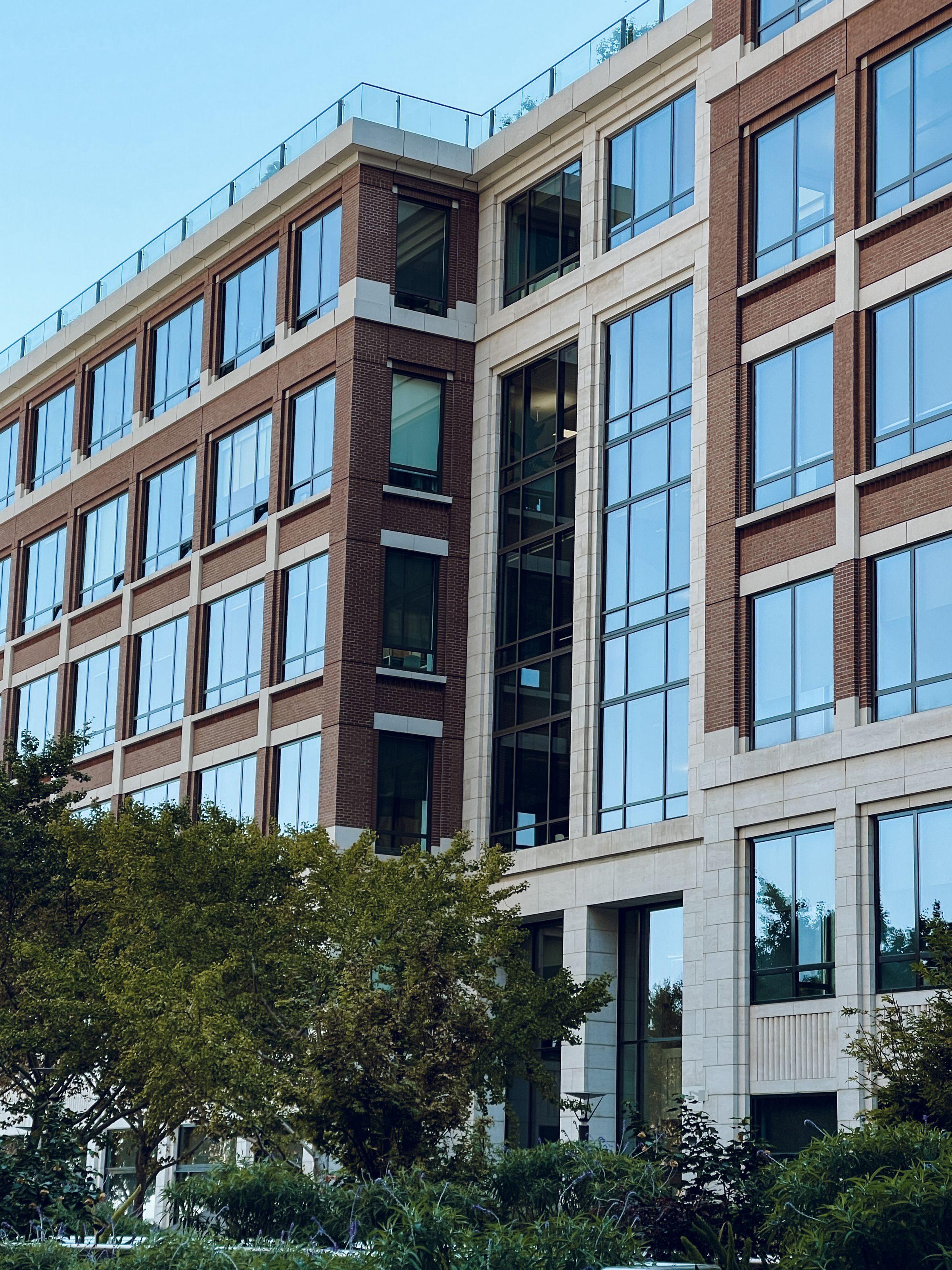
Insure the commercial building you rent to tenants. We quote the building and your liability as its owner.
Lessor's risk only insurance, often called LRO, is for an owner who leases a commercial building to tenants instead of running a business in it. It covers the owner's liability for injuries on the premises and can insure the building itself. One program we use writes buildings up to $5 million in value that are less than 30 percent vacant.
Our commitment
Committed to doing insurance right, and doing it fast. Our vision: every property and project properly covered in minutes, with every rule followed.
Eight brokers, one team
Our eight brokers work together as one Menlo team, so you can reach a person who understands your account.
Independent brokerage
We hold appointments with multiple carriers, so the quote is shopped rather than served from one shelf.
A few questions about your business or home.
We compare carriers and read the forms line by line.
We pick the best policy and get you covered.
A lease usually makes the tenant carry liability insurance and name you on it. That policy answers for the tenant's business. The roof, the parking lot, the common areas and the building itself stay your responsibility, and a claim that names the owner needs the owner's own policy.
The application asks what you need to insure. Choose a building you own, with or without contents, and tell us who rents the space.
The building and your liability as its owner can be written as a package, or the liability can be written alone.
Offices, shops, restaurants, service businesses, distributors and health clubs are typical tenants. Bars, nightclubs and gas stations need a different program.
A building that is less than 30 percent vacant fits this coverage. An empty building needs vacant property insurance instead.
For a building your own business occupies, and for its equipment and inventory.
For a commercial building that is empty or mostly empty.
The policy your tenant carries for its own business, usually required by the lease.
Adds liability limits above the owner's policy when a lender or lease asks for more.
These details help insurers assess the risk and price the coverage. Terms and available options vary by insurer.
It covers the owner of a leased commercial building. The liability part pays for defense and damages when someone is hurt on the premises and the claim names the owner. The property part, when you add it, pays to repair or rebuild the building after a covered loss such as fire.
An owner who rents a commercial building or most of it to other businesses. Lenders commonly ask for it on a commercial real estate loan, and it is the usual policy for a retail strip, an office building or a warehouse held as an investment.
General liability is written for a business and what it does. Lessor's risk is written for an owner whose only business at that address is leasing it. If you run your own business in part of the building, tell us, because that changes which policy fits.
It depends on the building's size, age and construction, the tenants, the location and the limits. Some programs start at $500 for the liability and $750 for each building, plus taxes and fees, and most buildings cost more than the minimum.
It does not cover the tenant's business, equipment or inventory, which belong on the tenant's own policy. Flood and earthquake are separate policies. A building that is empty or mostly empty needs vacant property coverage.
No. Apartments and other housing are insured as habitational property, which has its own application.
We offer coverage in the states where we are licensed. Begin a quote with the address of your business or risk, and we'll let you know which markets can write that location before you spend much time on the questions.
Tell us about the coverage you need and complete the application. We use those details to approach suitable markets and may ask follow-up questions. Requesting a quote does not put coverage in force.