
Texas requires every vehicle on the road to carry at least $30,000 of liability coverage per injured person, $60,000 per accident and $25,000 for property damage, known as 30/60/25.[1] That is the floor for a business car, van or pickup too. The floor rises sharply once the business counts as an intrastate motor carrier: a truck over 26,000 pounds needs a TxDMV certificate and at least $500,000 of liability coverage, and the insurer must file proof with the state.[2]
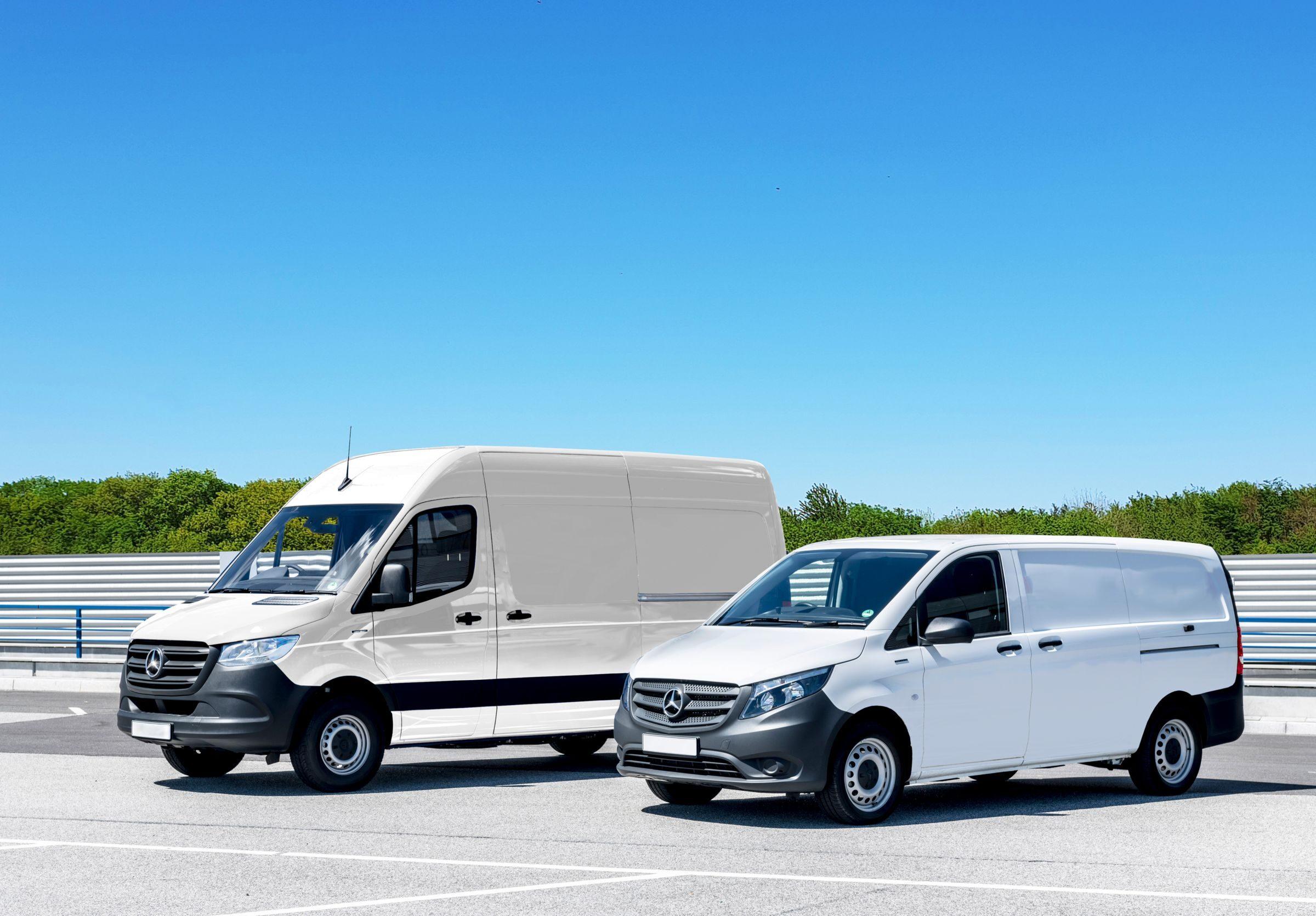
This guide is for a Texas business that owns or uses vehicles: a contractor with two pickups, a delivery van, a food truck, a dump truck or a small fleet. Our commercial auto insurance page lists what a policy covers, and our Texas page shows the coverages we quote in the state today.
What does Texas law require on a business vehicle?
The same financial responsibility as any other vehicle. TDI's auto guide states the minimum as $30,000 for injuries per person, up to $60,000 per accident, and $25,000 for property damage.[1] Those limits pay the other party when your driver is at fault. They do not pay to fix your own truck. That takes collision and comprehensive coverage, which a lender or lessor will require.
Most business contracts ask for far more than 30/60/25. A general contractor or a customer's vendor agreement will usually name its own liability limit and ask for a certificate of insurance before your vehicle comes on site.
Can I use my personal auto policy for work?
Usually not for regular business driving. TDI's auto guide lists "accidents that happen while you're driving in Mexico, driving for business, or racing" among the things auto policies don't cover, and says rates are higher when a car is used for business.[1]
Delivery work is the common trap. TDI says some personal policies may cover an accident during a paid delivery and others "won't cover driving for business," and that if you don't tell your insurer, "the company could deny your claims, and you'd have to pay."[3] It also notes that a business may be liable for its drivers' accidents, which is why some businesses require drivers to carry a commercial policy.[3] When employees drive their own cars for your business, the coverage that protects the business is hired and non-owned auto.
When does a Texas business need a TxDMV number?
When it operates as a motor carrier inside Texas. The Texas Department of Motor Vehicles says you must register when you:[2]
- operate a commercial vehicle, or a combination, with a gross weight, registered weight or gross weight rating over 26,000 pounds;
- transport hazardous materials in a quantity that requires placarding;
- operate a farm vehicle of 48,000 pounds or more;
- operate a vehicle designed to carry more than 15 passengers, including the driver; or
- transport household goods for pay, whatever the vehicle weighs.
A carrier that works only inside Texas registers with USDOT as intrastate, not interstate.[2] Interstate carriers follow federal rules, which this guide doesn't cover; our MCS-90 guide explains the federal endorsement.
What are the Texas motor carrier insurance minimums?
TxDMV publishes them by what the vehicle carries.[2]
| Operation | Minimum liability insurance |
|---|---|
| Private or for-hire carrier, vehicle over 26,000 pounds | $500,000 |
| Household goods carrier, vehicle under 26,000 pounds | $300,000 |
| Bus or vehicle for more than 15 but fewer than 27 people, including the driver | $500,000 |
| Bus or vehicle for 27 or more people, including the driver | $5,000,000 |
| For-hire school bus within a municipality | $500,000 |
| Oil, hazardous waste and other listed hazardous materials | $1,000,000 |
| Bulk and high-hazard materials (the classes TxDMV lists) | $5,000,000 |
Household goods carriers also need cargo insurance: $5,000 for loss or damage to the cargo on any one vehicle and $10,000 in aggregate for multiple shippers' cargo on one vehicle.[2] For cargo coverage beyond that, see our motor truck cargo guide.
How does the insurance filing work?
The business applies for operating authority in TxDMV's online system. When the application is approved, you tell your insurance company so it can file the required insurance. After the filing, you pay the fees and TxDMV issues the certificate number.[2]
Three points to plan around:
- Only the insurer can file. Form E, the proof of liability insurance, is filed electronically by the insurance company, and the insurance filing fee is $100.[2]
- The filing must stay active. TxDMV says failure to maintain continuous proof of insurance may result in administrative penalties, sanctions or revocation of the certificate. If your insurer cancels, an electronic notice goes out 30 days before the cancellation takes effect.[2]
- Keep the cab card in the vehicle. A current copy must be in the commercial vehicle at all times and shown to law enforcement on request.[2]
So when you shop, ask whether the insurer will make the Texas filing, and don't let the old policy lapse before the new filing is on record.
What will the insurer ask?
The vehicles (year, make, model, VIN, weight rating and value), the drivers and their records, what you haul and how far, where the vehicles are garaged, and your prior insurance and losses. Have the limit a contract requires in front of you, because that, not 30/60/25, usually decides the policy. Then start a commercial auto quote.
Frequently asked questions
Is commercial auto insurance required in Texas?
Does a pickup under 26,000 pounds need a TxDMV number?
Not for its weight alone. Registration is triggered by a vehicle or combination over 26,000 pounds, placarded hazardous materials, a large farm vehicle, a vehicle for more than 15 passengers or household goods moved for pay.[2] A pickup towing a heavy trailer can cross the combined weight line.
Who files Form E in Texas?
Your insurance company, electronically. TxDMV says only the insurance company can file proof of insurance or a cancellation, while you are responsible for making sure the record stays active.[2]
Does commercial auto cover a food truck or a trailer?
It can. TDI says commercial auto insurance covers cars, trucks and vans used for business and can also cover food trucks, service utility trucks and trailers.[4]
Can I add delivery coverage to my personal policy instead?
Sometimes. TDI suggests asking your insurer whether you can add optional coverage for deliveries, which typically costs less than a commercial policy.[3]
This guide is for educational purposes. It summarizes TDI's auto insurance guide and consumer tips and the Texas Department of Motor Vehicles' motor carrier registration page, all read on November 19, 2026. It doesn't cover federal requirements for interstate carriers. Your policy's terms, conditions and endorsements control. Menlo Insurance Services is a licensed property and casualty agency in Texas that may earn a commission on a placement.
The Bottom Line
In Texas, 30/60/25 is the legal minimum on any vehicle, and a personal policy is the wrong place for regular business driving.[1] Once a truck passes 26,000 pounds, or you carry passengers, hazardous materials or household goods, the business is a motor carrier: it needs a TxDMV number, a minimum of $300,000 to $5,000,000 depending on the operation, and an insurer that files Form E and keeps it active.[2]
References
- 1.Texas Department of Insurance. “Auto insurance guide (last updated December 11, 2025).” Accessed 2026-11-19. https://www.tdi.texas.gov/pubs/consumer/cb020.html ↩
- 2.Texas Department of Motor Vehicles. “TxDMV Number (motor carrier registration).” Accessed 2026-11-19. https://www.txdmv.gov/motor-carriers/txdmv-number ↩
- 3.Texas Department of Insurance. “Delivering packages? What to know about auto insurance (last updated October 14, 2024).” Accessed 2026-11-19. https://www.tdi.texas.gov/tips/delivering-packages-what-to-know-about-auto-insurance.html ↩
- 4.Texas Department of Insurance. “Commercial property insurance guide (last updated December 9, 2025).” Accessed 2026-11-19. https://www.tdi.texas.gov/pubs/consumer/cb021.html ↩