General Liability
Covers a patient or visitor injured at the office in a way that has nothing to do with treatment. It can be added to some annual medical policies.
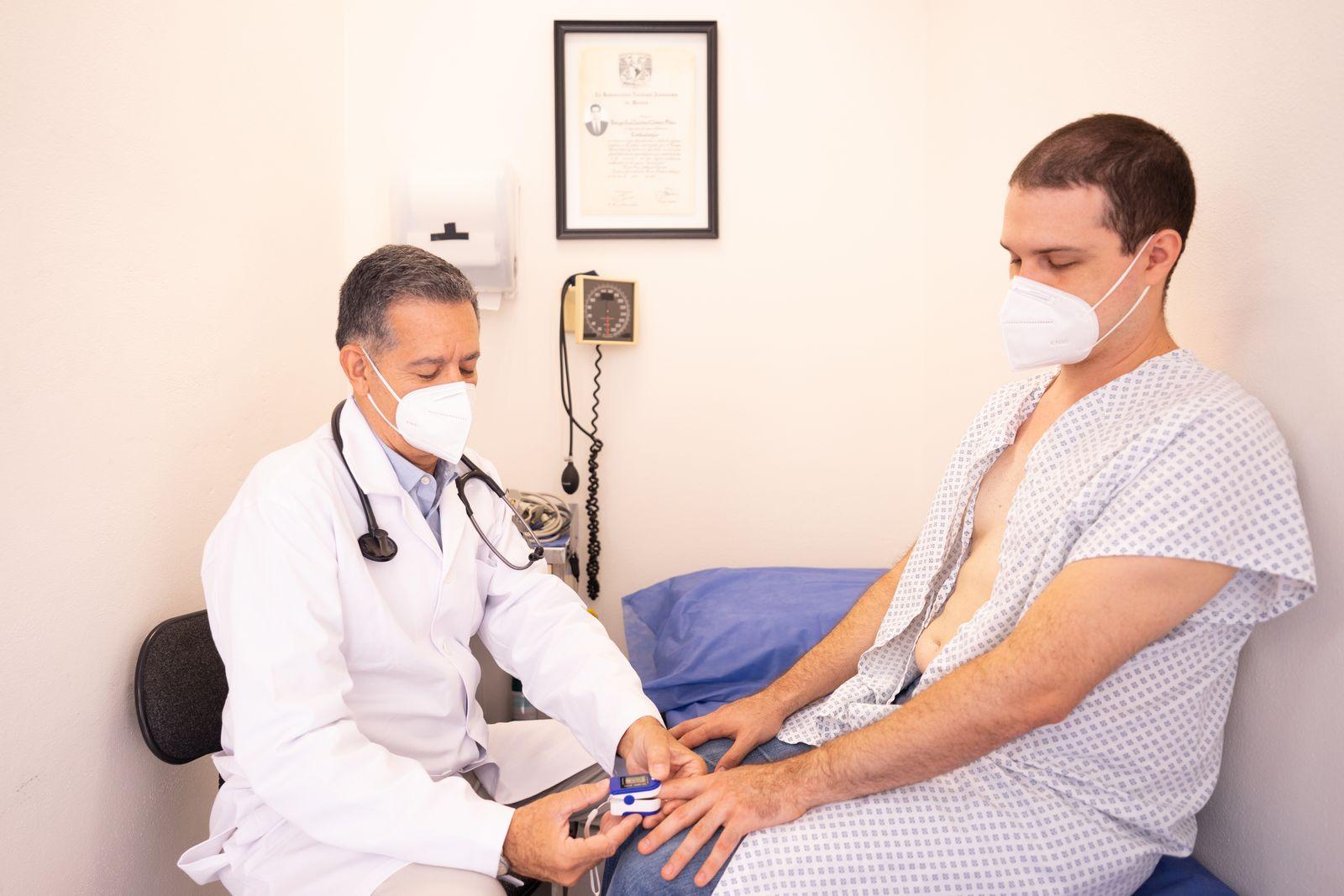
Protect your practice from patient claims over the care you provide. We quote medical professional liability for physicians, dentists and other providers.
Medical malpractice insurance, also called medical professional liability, pays to defend and settle claims that a patient was harmed by the care you provided. Physicians, dentists, nurse practitioners, optometrists and group practices buy it. Policies are written claims-made or occurrence, and that choice decides whether you need tail coverage when the policy ends.
Our commitment
Committed to doing insurance right, and doing it fast. Our vision: every property and project properly covered in minutes, with every rule followed.
Eight brokers, one team
Our eight brokers work together as one Menlo team, so you can reach a person who understands your account.
Independent brokerage
We hold appointments with multiple carriers, so the quote is shopped rather than served from one shelf.
A few questions about your business or home.
We compare carriers and read the forms line by line.
We pick the best policy and get you covered.
A claims-made policy responds to claims first made and reported while the policy is in force. An occurrence policy responds to care given during the policy period, whenever the claim arrives. The application asks which one you want and how many years of continuous claims-made coverage you already have.
The first question is your specialty or provider type. The application lists them from family practice and dentistry to anesthesiology and surgery, and each is rated on its own.
You choose one limit for each claim and one for the policy year, such as $1,000,000 and $3,000,000. Check what your hospital, facility or payer contracts require before you choose.
A practice can give each supporting provider separate limits or have them share one set. The application asks which you want.
Claims reported after a claims-made policy ends need an extended reporting period, often called tail coverage. Ask for its terms before you switch insurers or retire.
Covers a patient or visitor injured at the office in a way that has nothing to do with treatment. It can be added to some annual medical policies.
Covers a breach of patient records, a separate exposure from the care itself.
Covers staff injured on the job, required for most practices with employees.
For professionals outside patient care, such as consultants and administrators.
These details help insurers assess the risk and price the coverage. Terms and available options vary by insurer.
It pays for your legal defense and for settlements or judgments when a patient claims your professional care caused them harm. Defense costs usually count against the limit. An option adds defense for billing, licensing and regulatory investigations.
A claims-made policy covers claims first made and reported while it is in force. An occurrence policy covers care you gave during the policy period, even if the claim comes years later. The application lets you choose either.
Tail coverage is an extended reporting period that lets you report claims after a claims-made policy ends. You need it, or a new policy that picks up your prior acts, when you change insurers, leave a practice or retire. An occurrence policy does not need it.
Fines and penalties, refunds of fees, matters you knew about before the policy started and the cost of redoing a service are usually restricted or excluded. Independent contractors are not automatically insured under a practice's policy.
It depends mostly on your specialty, then on your limits, your claims history, how many providers are covered and whether they work full or part time. Menlo has no recorded quotes for this coverage yet, so we show no typical range.
Yes. The application asks whether you work full time, part time or quarter time and whether you are in your first years of practice. Both can change the rate.
It can. Telemedicine providers need to be licensed in the state where each patient is located.
We offer coverage in the states where we are licensed. Begin a quote with the address of your business or risk, and we'll let you know which markets can write that location before you spend much time on the questions.
Tell us about the coverage you need and complete the application. We use those details to approach suitable markets and may ask follow-up questions. Requesting a quote does not put coverage in force.