Builders Risk
Covers the structure and materials of a new build while it goes up. Most owners carry it beside premises liability.
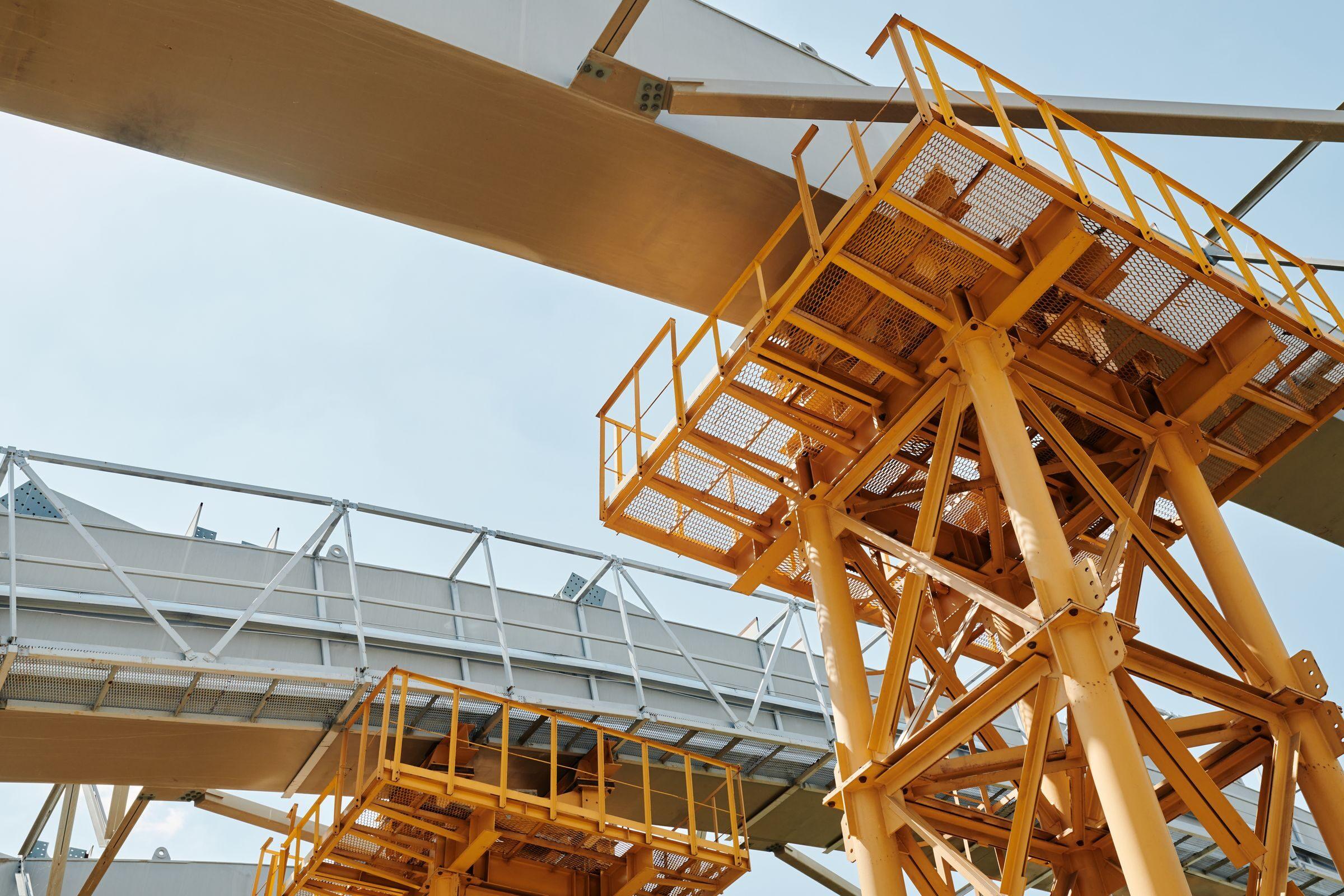
Protect yourself as the owner if someone is hurt at your building site. We quote liability for the length of the project.
Construction premises liability insurance protects a property owner when a visitor, neighbor or passerby is injured at a site under construction or renovation. It is separate from builders risk, which covers the structure and materials, and from the contractor's own general liability. Some programs write terms of 3, 6 or 12 months with limits up to $1 million per location.
Our commitment
Committed to doing insurance right, and doing it fast. Our vision: every property and project properly covered in minutes, with every rule followed.
Eight brokers, one team
Our eight brokers work together as one Menlo team, so you can reach a person who understands your account.
Independent brokerage
We hold appointments with multiple carriers, so the quote is shopped rather than served from one shelf.
A few questions about your business or home.
We compare carriers and read the forms line by line.
We pick the best policy and get you covered.
A builders risk policy pays for damage to the structure and the materials. It does not answer a lawsuit from someone hurt on the site. Your contractor's general liability protects the contractor first. Premises liability in your own name covers you as the owner for the length of the project.
The policy is issued to the legal owner of the property. A contractor who does not own the site needs contractor general liability instead.
Pick a term that lasts until the work is done. Depending on the program, terms run from 3 months to 36 months, with one premium for the whole term.
The application asks for the contractor's name and whether it carries its own general liability. One program is built for an owner who hires an insured contractor.
The application asks whether anyone will live or work in the building during the work. One program requires the property to stay vacant until the project ends.
Covers the structure and materials of a new build while it goes up. Most owners carry it beside premises liability.
Covers the existing building and the new work during a remodel or addition.
Liability for a lot before construction starts, when there is no building and no work under way.
The policy a contractor carries for its own work. An owner's premises liability does not replace it.
Some programs start at a $100 minimum premium. From there the price follows the property type, the project cost, the length of the work and the limit you choose.
It covers your liability as the owner when a member of the public is injured, or their property is damaged, at a site under construction or renovation. A neighbor struck by falling debris and a visitor who trips on the lot are typical claims. The policy sets the exact terms and exclusions.
No. Builders risk is property insurance for the structure and materials. Premises liability is liability insurance for injury and damage claims made against the owner. Most projects need both.
Only partly. Your contractor's general liability protects the contractor, and it reaches you only as far as its additional insured wording goes. A policy in your own name responds to claims against you as the owner. One program also expects the contractor to carry its own general liability.
It does not cover damage to your own building, project or materials, which is builders risk. It does not cover liability once the work is finished and the building is occupied, or work you perform yourself as a contractor.
Some programs start at a $100 minimum premium. Your price depends on the property type, the project cost, how long the work lasts and the limit you choose. Menlo has no recorded quotes for this coverage yet, so we show no typical range.
Yes, for many projects. The application takes residential, commercial and farm properties. One program limits residential buildings to four units and requires the home to be vacant during the work.
We offer coverage in the states where we are licensed. Begin a quote with the address of your business or risk, and we'll let you know which markets can write that location before you spend much time on the questions.
Tell us about the coverage you need and complete the application. We use those details to approach suitable markets and may ask follow-up questions. Requesting a quote does not put coverage in force.