







Skip to content
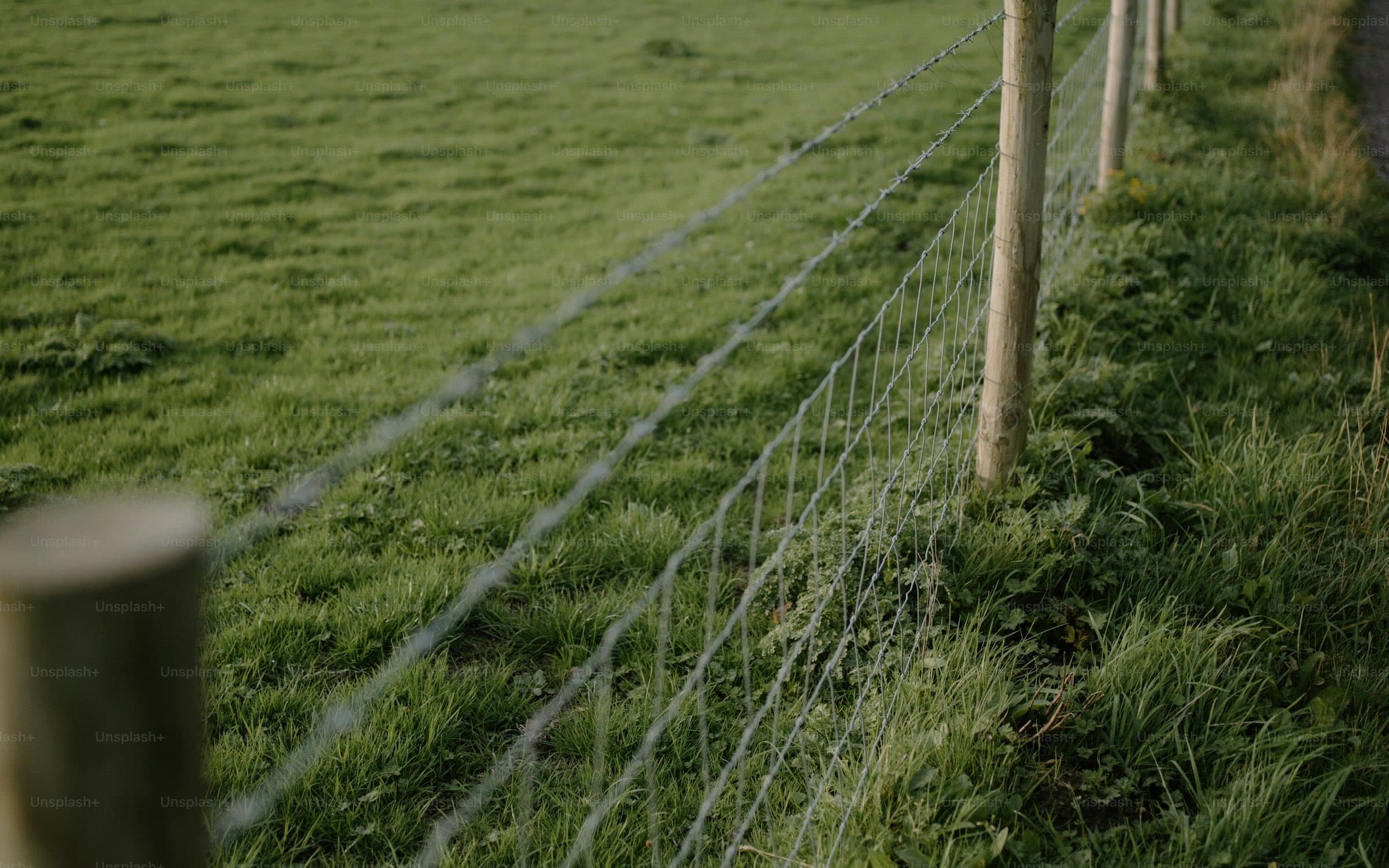
A wire fence along an empty grass field, undeveloped land insured for premises liability

Vacant Land Insurance

Protect your empty land from liability claims, whether you, an LLC or a trust owns it. We request quotes for you.

Vacant land insurance is liability coverage for empty land, for when someone is hurt on the parcel or a fire starts there. One program we use writes up to 500 acres of undeveloped land with no structures or construction, owned by you, an LLC or a trust, with limits up to $1 million per occurrence and 3, 6, 9 or 12 month terms.

Who qualifies
Undeveloped land with no structures, no construction and no activity, up to 500 acres on one program and 1,000 on another, owned by you, an LLC or a trust
Typical limits
Up to $1 million per occurrence and $2 million aggregate, with medical payments up to $10,000
Terms
3, 6, 9 or 12 months
Programs we use
Specialty vacant land programs, one written on standard ISO forms with no photos or inspection required

We shop the market for you, no broker fees

  • Green Shield
  • USLI
  • Chubb
  • Kinsale
  • Markel
  • AmTrust
  • Atlantic Casualty
  • Nationwide

What the vacant land market writes

Liability only, for land that sits empty

The policy is premises liability for vacant, undeveloped land, up to five hundred acres on one program and a thousand on another: held for sale, held for investment, or waiting on a build. No structures, no construction activity.

Limits from 100 to a million dollars

Limits run from one hundred thousand to one million per occurrence, paired with medical payments up to ten thousand dollars, depending on the market.

Water changes everything

Land with water on it is written differently: one program permits up to one acre of water hazard, and another asks about every lake or pond before it quotes. The broker checks the parcel first.

Short terms that match the hold

Policies run three, six, nine or twelve months, with terrorism coverage offered, so a parcel held for a season does not pay for a year it does not need.

Is your land a fit?

Undeveloped land with no structures on it, held for sale, for investment or for a future build, whether you own it yourself or through a business, LLC or trust.

Usually a fit

  • Land up to 1,000 acres, by market
  • A pond or lake, by review
  • Held for sale or investment
  • Waiting on a future build

Usually declined or referred

  • Structures on the land
  • Active construction
  • Mines, wells or quarries
  • Past dump or landfill use
  • Landslide or brush fire areas

How it works

  1. One short form

    A few questions about your business or home.

  2. We shop the market

    We compare carriers and read the forms line by line.

  3. Quote and bind

    We pick the best policy and get you covered.

The lender asked for liability on dirt

Vacant land needs liability coverage even with nothing built on it. A family lot waiting for a future home and an investor's parcel face the same question: someone gets hurt on the land, or a fire starts there. Most owners only look for coverage when a lender, a sale or a first injury raises it; the avoidable mistakes are choosing the wrong acreage or not mentioning the pond.

  • It is liability, not property

    There is no building to insure, so the policy is premises liability plus medical payments: someone hurt on the land, or a fire that starts on it and spreads.

  • The pond is the question

    One program writes up to one acre of water hazard, and beyond that the parcel goes to a market that reviews the pond. The broker asks about water before quoting because the claim will.

  • Terms that match the hold

    Terms run three, six, nine or twelve months, so a parcel held for a season does not pay for a full year.

  • No construction activity

    Construction on the land is excluded. Land under active construction needs a different liability form.

Hills above a small town and open land, the kind of undeveloped parcel insured for premises liability

What vacant land insurance covers

Usually covered

  • Injuries on the land

    Someone is hurt on your land and brings a claim.

  • Damage the land causes

    For example a fire that starts on the land and spreads.

  • Medical payments

    Medical bills for someone hurt on the land, up to the limit you choose.

Not covered, and where to find it

  • Buildings and structures

    The land must be free of structures.

  • The value of the land

    The policy is liability only.

  • Construction activity

    A project under way needs its own coverage.

    See builders risk

What the markets write

  1. 01

    Largest parcel

    Up to 1,000 acres. 500 on one program.

  2. 02

    Liability per occurrence

    Up to $1M. From 100 thousand, depending on the market.

  3. 03

    Water on the land

    Up to 1 acre on one program. Others review each pond.

  4. 04

    Longest term

    12 months. Or 3, 6 or 9 months.

Written for landowners, including:

  • Land you own yourself or with family
  • Land held by a business, LLC, trust or partnership
  • Vacant, undeveloped land to 1,000 acres, depending on the market
  • Land held for sale or investment
  • Land awaiting future construction
  • Parcels with a pond or lake, by review
  • Land that is 100 percent not in use
  • Three to twelve month terms

What changes your premium

These details help insurers assess your business and price the coverage. Terms and available options vary by insurer.

  • Acreage band, from 1 to 10 up to 401 to 500
  • Water on the land, such as a pond or lake
  • Fenced and posted, no trespassing signage
  • Liability limit chosen
  • Prior losses or claims on the land

Questions we get asked

What if there is a house or building on the land?

Then it is a vacant property, not vacant land, and it needs a property policy for the building. Start from the vacant property page, which covers empty homes and commercial buildings.

See vacant property insurance

Can I insure a lot I own personally, not through a business?

Yes, you can apply. The first question asks who owns the land: you personally (or with family), or a business, LLC, trust or partnership. The answer sets who is named on the application; the same land questions follow either way, and the insurer still reviews every parcel.

Does vacant land insurance cover the land itself?

No. It covers no structures and no land value: the policy is premises liability plus medical payments, covering injuries to people on the land and damage the land causes, like a fire that spreads.

How many acres can be insured?

Up to five hundred acres on one program and up to a thousand acres on another, depending on the market. Give the exact acreage and the broker matches the parcel to a program that takes it.

Can the land have a pond or creek?

It can be reviewed. One program permits up to one acre of water hazard, and another asks about lakes and ponds before it quotes, which is why the broker asks about water first.

Does construction activity count?

No. Construction activities are excluded; land under active construction needs a different liability form.

How long does a policy run?

A policy runs three, six, nine or twelve months, with terrorism coverage offered, matched to how long you expect to hold the parcel.

Can you write this where my business is?

We offer coverage in the states where we are licensed. Begin a quote with the address of your business or risk, and we'll let you know which markets can write that location before you spend much time on the questions.

What happens after I start a quote?

Tell us about the coverage you need and complete the application. We use those details to approach suitable markets and may ask follow-up questions. Requesting a quote does not put coverage in force.

Start your quote online.

Fill in one short form or call us. No broker fees.