Vacant homes
Vacant homes can be insured, including houses, condos and small residential buildings between owners or tenants. Vacant-home programs review the home's condition, vacancy period and planned work.
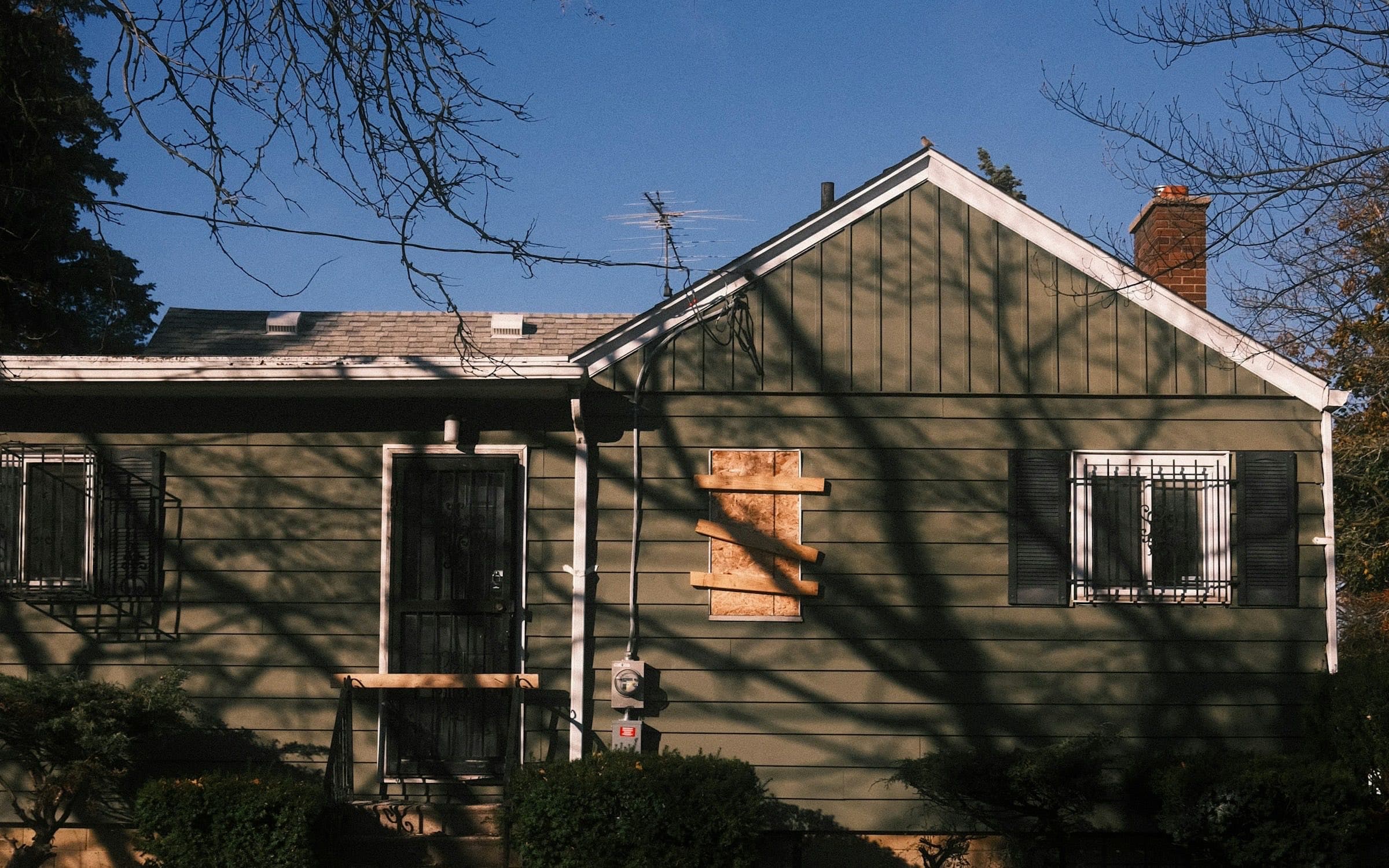
Don't leave your empty home or building uninsured. We request quotes while it sits vacant.
An empty home or building can be insured on a vacant property policy. The programs we use write houses, condos, small apartment buildings and commercial buildings held for sale, waiting on renovation or between tenants, like an inherited house on its way to market. One allows up to 48 months of vacancy for a home and 24 for a commercial building.








Vacant homes can be insured, including houses, condos and small residential buildings between owners or tenants. Vacant-home programs review the home's condition, vacancy period and planned work.
Fully vacant commercial buildings can be insured too: stores, offices, warehouses and larger apartment buildings. Commercial vacancy markets ask about prior use, security, utilities and planned renovation.
Whether a vacant property qualifies depends on its construction, condition, protection and planned work. The insurer decides whether to offer coverage.
A few questions about your business or home.
We compare carriers and read the forms line by line.
We pick the best policy and get you covered.
A vacant building needs a vacant property application, because insurers review it differently from an occupied one. Your first answer decides which questions follow: a home continues with the vacant-home application, a commercial building with the commercial vacancy application, so you only answer what the markets for your building ask.
Have the date it became vacant, the reason and what happens next: a sale, a new tenant or renovation.
Have roof, utilities, security and inspection details available. Planned structural work requires specific review.
Prepare the replacement value of the building and whether you need premises liability.
Undeveloped land with no building has its own liability application.
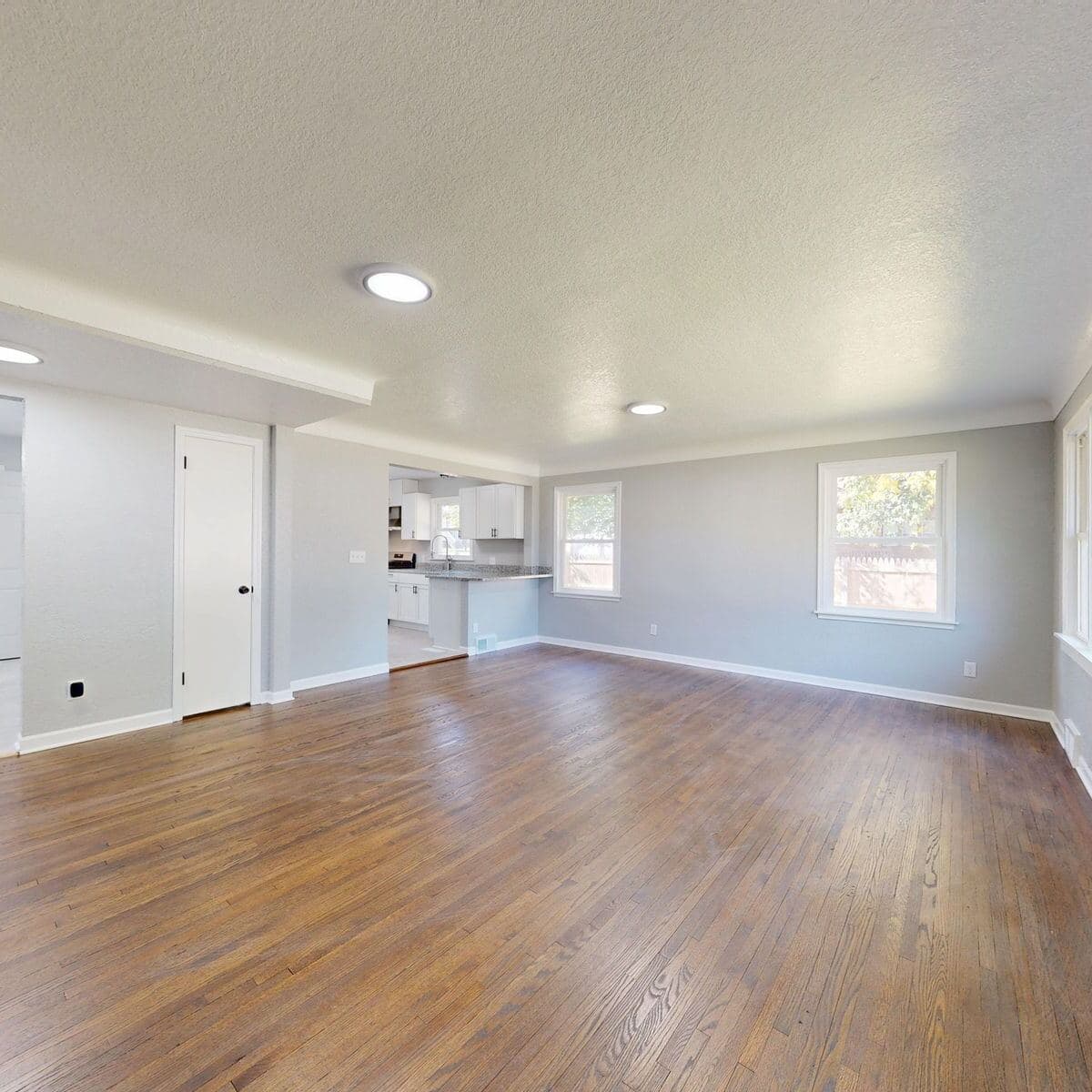
The FAIR Plan writes vacant homes that standard insurers decline.
A home vacant for up to one year, or longer while it is under construction. The application asks why it is empty, how it is secured and whether it is for sale or rent.
The FAIR Plan offers a vacancy permit endorsement. Ask for it when you apply.
Liability for undeveloped land with no buildings.
For a home occupied by tenants, seasonally or by you.
For the rental once a tenant moves in.
These details help insurers assess your business and price the coverage. Terms and available options vary by insurer.
Both. The first question asks what kind of empty building it is. A house, condo or 2–4 unit building continues with the vacant-home application; a store, office, warehouse or an apartment building with five or more units continues with the commercial vacancy application.
Undeveloped land has its own liability application.
No. A broker and the insurer must review the property and confirm any offered terms before coverage can take effect.
A licensed broker can review eligibility and policy terms with you.