







Skip to content
A café owner with a tablet behind the counter, a small business a business owner's policy covers

Restaurants and Hospitality Insurance

Protect your restaurant or bar from customer claims, broken equipment and lost income. We shop carriers that fit how you serve.

We shop the market for you, no broker fees

  • USLI
  • The Hartford
  • Travelers
  • Markel
  • Great American
  • AmTrust
  • Philadelphia Insurance Companies
  • Kinsale

How it works

  1. One short form

    A few questions about your business or home.

  2. We shop the market

    We compare carriers and read the forms line by line.

  3. Quote and bind

    We pick the best policy and get you covered.

The kitchen is only part of the risk

  • Liquor liability

    You serve alcohol, and an intoxicated guest causes harm after leaving.

  • Guest injuries

    A slip on a wet floor or a burn in the dining room turns into a liability claim.

  • Spoilage and equipment

    A cooler fails and inventory is lost, or kitchen equipment breaks down at the worst moment.

  • Property and income

    A fire or water loss closes the kitchen.

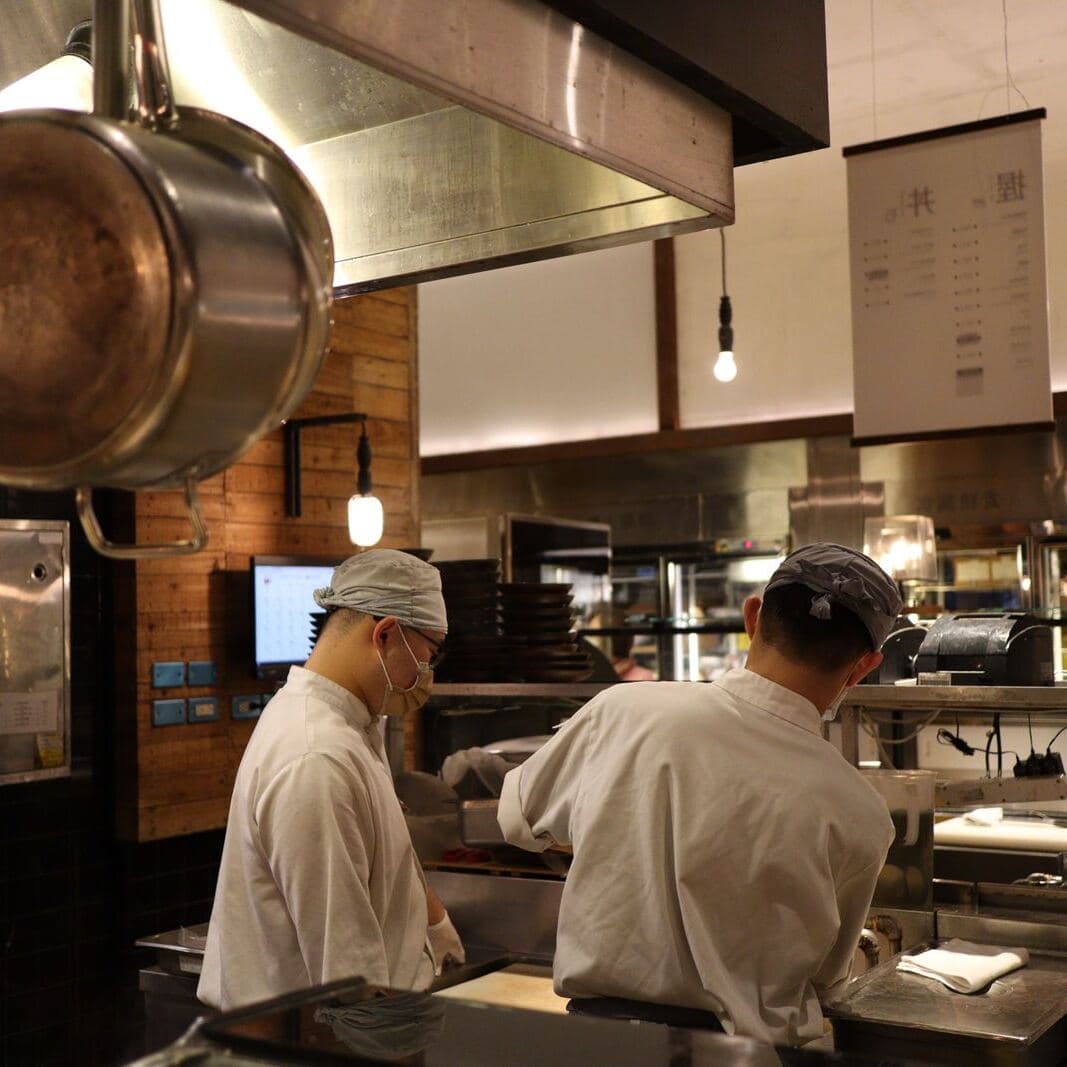
Cooks at work in a restaurant kitchen

What changes your premium

These details help insurers assess your business and price the coverage. Terms and available options vary by insurer.

  • Food and alcohol sales
  • Cooking methods and fire protection
  • Payroll, seating, and operating hours
  • Delivery, catering, and events
  • Building, equipment, and spoilage values
  • Claims history and requested limits

Tell us how you serve food and drinks

  • Full-service restaurants
  • Quick service and fast casual
  • Cafes and coffee shops
  • Bars, taprooms and nightclubs
  • Breweries with taprooms
  • Wine bars and tasting rooms
  • Pizzerias with delivery
  • Food trucks and mobile vendors
  • Caterers and event kitchens
  • Bakeries and dessert shops
  • Ghost kitchens and delivery-only brands
  • Juice and smoothie bars
  • Hotels with food service
  • Banquet and event venues

Coverage for food service, staff and customers

Business Owners Policy

A business owners policy is the usual starting point for a single location: building or tenant improvements, contents, and general liability on one form, normally with business income included. Cooking operations, hood and duct cleaning intervals, and closing hours all move eligibility. A carrier that likes fast casual will decline the same square footage once a late night bar is attached to it.

General Liability

A guest slips on a wet floor, a server spills a hot drink, a sidewalk sign catches someone on the way in. General liability pays the defense and the settlement on claims like those. Liquor, assault and battery, and delivery exposures live in separate coverage parts or endorsements, and that is where restaurant policies differ most from one another.

Commercial Property

Tenant improvements, kitchen equipment, refrigeration, furniture, and stock are what a restaurant actually owns, and most of it belongs to the tenant rather than the landlord. Spoilage and equipment breakdown are separate coverages that respond when a cooler or a compressor fails. What the lease makes you responsible for is the starting point for setting the limit, not the square footage.

Workers' Compensation

Kitchens produce burns, cuts, and slips. Front of house produces lifting and fall claims. Workers' compensation pays medical treatment and wage replacement and most states require it from the first employee. Restaurant payroll turns over quickly, so the figure on the policy and the figure at audit rarely match unless somebody is watching it through the year.

Excess and Surplus Lines

Bars, nightclubs, late hours, live entertainment, and a large alcohol share of sales push an operation out of standard appetite. Surplus lines carriers write those risks and price the individual operation rather than the class. Liquor liability and assault and battery terms vary widely between those forms, so we set the quotes side by side instead of handing you a single number.

Questions we get asked

Which policies do restaurants and hospitality businesses usually need?

The right program depends on the operation, but the lines we most often evaluate are Business Owners Policy, General Liability, Commercial Property, Workers' Compensation, and Excess and Surplus Lines. We confirm which exposures are present before recommending a policy, so you do not pay for a line simply because it appears on a standard checklist.

What information do you need to quote restaurants and hospitality insurance?

Have sales, payroll, seating, cooking equipment, alcohol service, delivery operations, building and equipment values, and loss runs ready. A complete submission lets carriers evaluate the account on the actual operation and reduces follow-up questions before they can quote.

Can you help if a standard carrier already declined the account?

Often, yes. A decline does not guarantee another carrier will quote, but it tells us where the standard market stopped. We review the reason, improve the submission where the facts support it, and approach specialty markets when they are appropriate.

How do you compare the quotes you receive?

We compare the coverage form, limits, deductibles, exclusions, carrier financial strength, binding requirements, and total cost. The lowest premium is not the best option when the form removes the protection the business needs.

Start your quote online.

Fill in one short form or call us. No broker fees.