Commercial Property
Buildings, business personal property, business income, and the causes of loss forms that drive them.
Guides
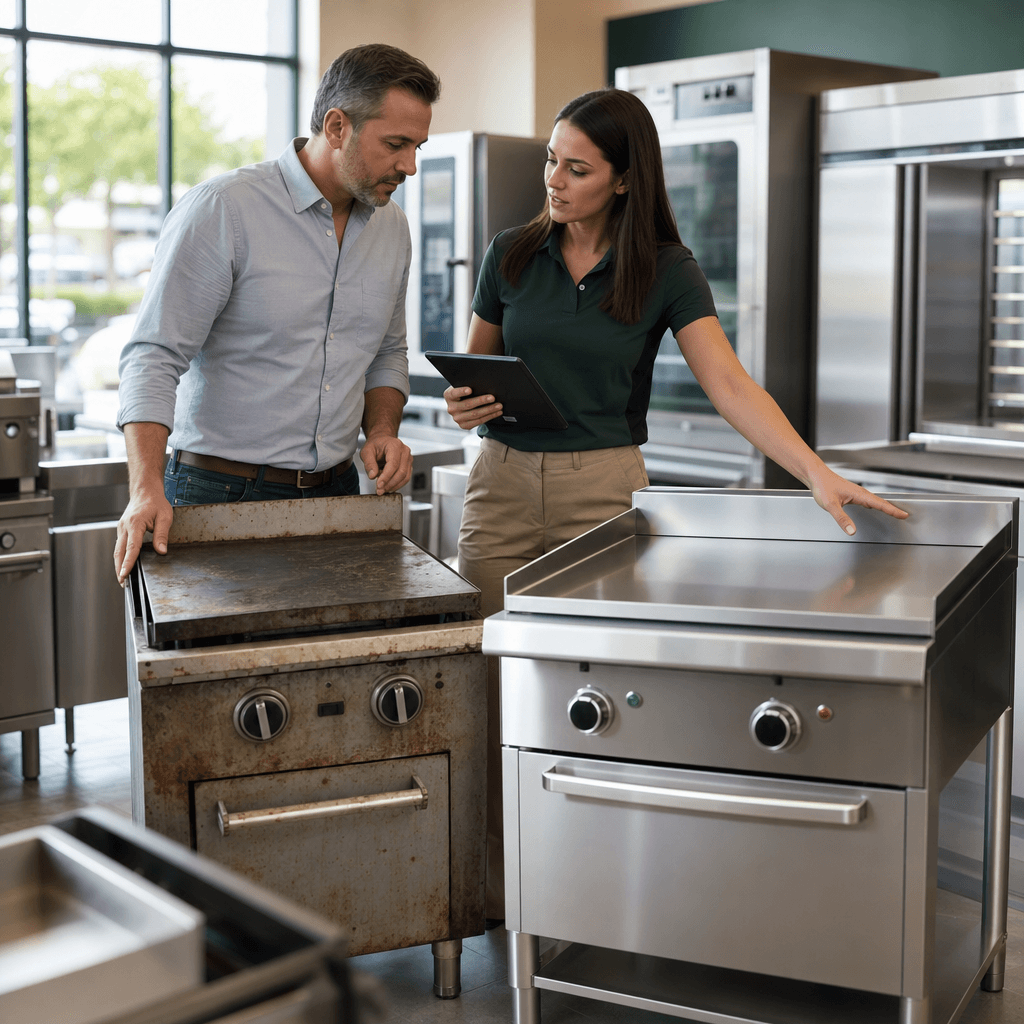
Actual Cash Value vs Replacement Cost: What's the Difference?How actual cash value and replacement cost settle claims differently, plus recoverable depreciation, the 180-day ACV election, and functional replacement cost.July 16, 2026
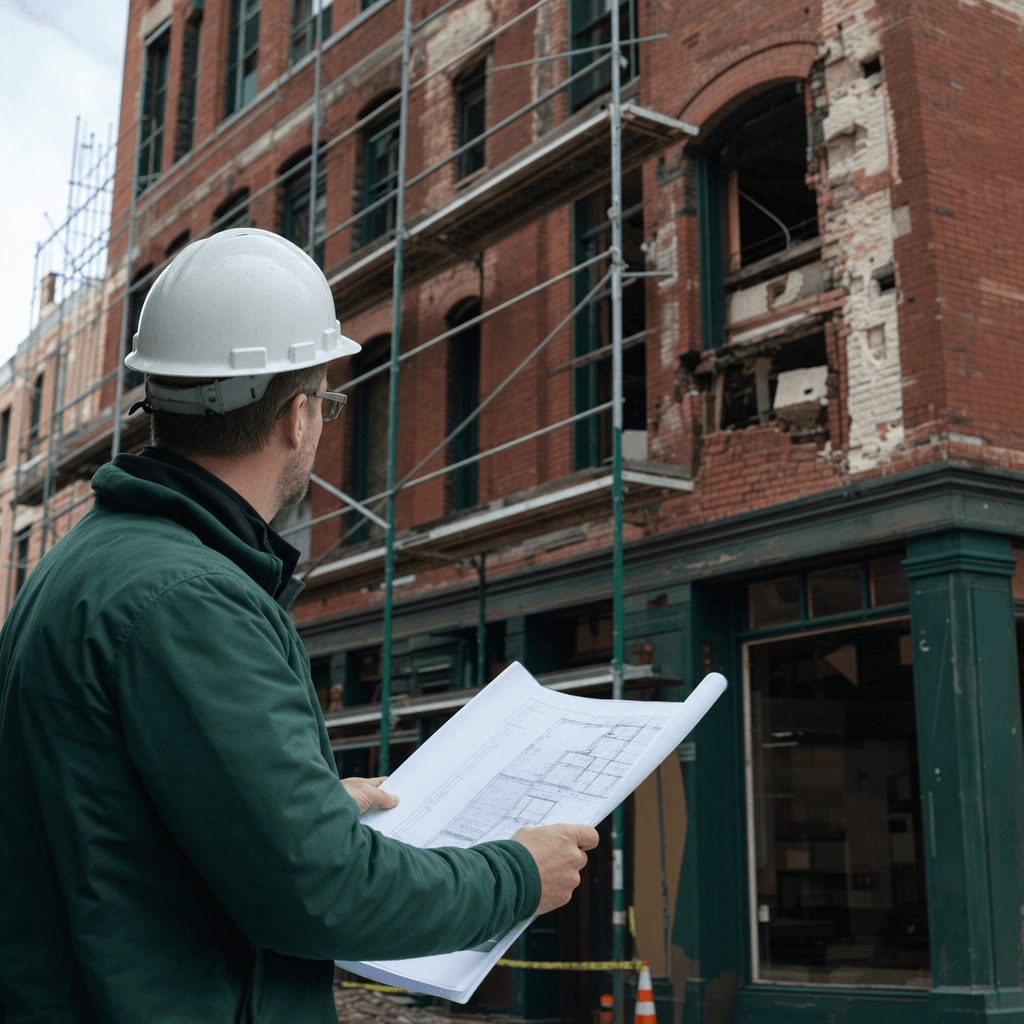
What Is Ordinance or Law Coverage? The CP 04 05 Endorsement ExplainedOrdinance or law coverage (CP 04 05) pays code-enforcement losses your property policy excludes, from forced demolition to rebuilding to current code.July 16, 2026

What Is Equipment Breakdown Coverage and Do You Need It?What equipment breakdown coverage pays for that property insurance excludes, from mechanical breakdown and electrical arcing to steam explosion and lost income.July 10, 2026
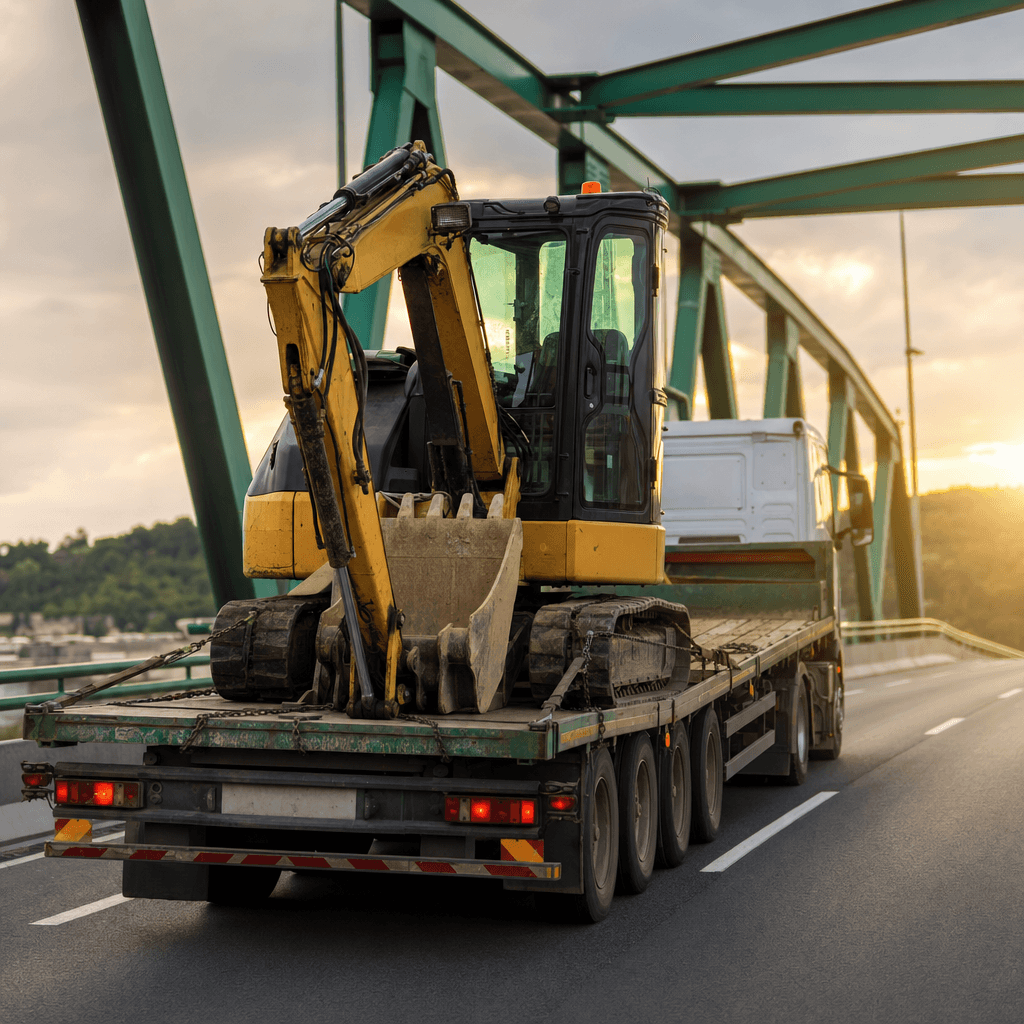
What Is Inland Marine Insurance and What Does It Cover?What inland marine insurance covers, why it has that odd name, how floaters work, and why your commercial property policy stops 100 feet from the door.July 10, 2026

Business Income Insurance: How Coverage Works When Disaster Shuts You DownHow business income insurance replaces lost income and pays continuing expenses after covered damage, the period of restoration, waiting period, limits.July 9, 2026

Commercial Property Insurance: What It Covers and How the Forms WorkHow commercial property insurance works, what the coverage form and the Basic, Broad, and Special causes of loss forms cover, plus coinsurance and valuation.July 9, 2026
Related forms
Browse form references →ACORD 139Statement of ValuesLearn how ACORD 139 organizes property values for blanket or average rating, which valuation details matter, and why it does not replace the application.ACORD 140Property SectionWhat the ACORD 140 property section of the commercial application collects, how COPE data drives property underwriting, and how valuation elections work.ACORD 141Crime SectionLearn how ACORD 141 presents requested crime coverage, employee and asset exposures, financial controls, premises security, limits, and deductibles clearly.ACORD 146Equipment Floater SectionLearn what ACORD 146 collects for an equipment floater application, including equipment values, locations, storage, operations, and additional interests.ACORD 23Vehicle or Equipment Certificate of InsuranceLearn what ACORD 23 reports about vehicle or equipment insurance, what certificate holders should verify, and why it does not change the policy in any way.ACORD 24Certificate of Property InsuranceLearn what an ACORD 24 certificate of property insurance shows, who uses it, how it differs from evidence forms, and why the policy still controls coverage.ACORD 27Evidence of Property InsuranceWhat the ACORD 27 evidence of property insurance form does, how evidence differs from a certificate, and when lenders and lessors request this evidence form.ACORD 28Evidence of Commercial Property InsuranceWhat the ACORD 28 evidence of commercial property insurance form covers, why commercial lenders demand it over ACORD 25, and how mortgagee interests work.ACORD 29Evidence of Flood InsuranceLearn what ACORD 29 shows about flood insurance, how to review primary and excess policies, and why the evidence form does not change coverage.ACORD 810Business Income / Extra Expense / Rental ValueLearn what ACORD 810 collects for business income, extra expense, and rental value coverage, including payroll, dependent properties, and restoration periods.ACORD 823Additional Premises Information ScheduleLearn how ACORD 823 continues commercial premises details from ACORD 125, what to verify for each location, and why every site needs separate review now.CP 00 10Building and Personal Property Coverage FormWhat the CP 00 10 Building and Personal Property Coverage Form covers, its three separate coverage categories, and why it always needs a causes of loss form.CP 00 18Condominium Commercial Unit-Owners Coverage FormLearn how CP 00 18 covers a commercial condo owner's business personal property, coordinates with association insurance, and treats unit improvements.CP 00 30Business Income (and Extra Expense) Coverage FormHow the CP 00 30 Business Income (and Extra Expense) Coverage Form pays for lost income and extra costs while a business rebuilds after property damage.CP 10 10Causes of Loss - Basic FormLearn which named perils CP 10 10 covers, how the Basic Form works with CP 00 10, and what Broad or Special coverage can add for a commercial property.CP 10 30Causes of Loss Special FormHow the CP 10 30 Causes of Loss Special Form works, why open perils coverage beats the basic and broad named perils forms, and what it still excludes.CP 12 18Loss Payable ProvisionsLearn how CP 12 18 protects loss payees, lenders, buyers, and building owners, and how its four clauses match different financial interests in insured property.